
Compost Versus Topdressing for Bend Lawns
A thin layer of the right material can make a Central Oregon lawn feel denser, greener, and easier to water. But compost versus topdressing is not really an either-or choice. Compost is a soil-building material. Topdressing is the practice of spreading a thin layer of material over existing turf. In many cases, compost is exactly what you use for topdressing.
That distinction matters in Bend and across Central Oregon, where lawns often grow in sandy or low-organic-matter soils, deal with dry air and irrigation limits, and have a shorter recovery window than lawns west of the Cascades. Choosing the right material and applying it at the right depth can improve soil structure without smothering healthy grass.
Compost Versus Topdressing: The Key Difference
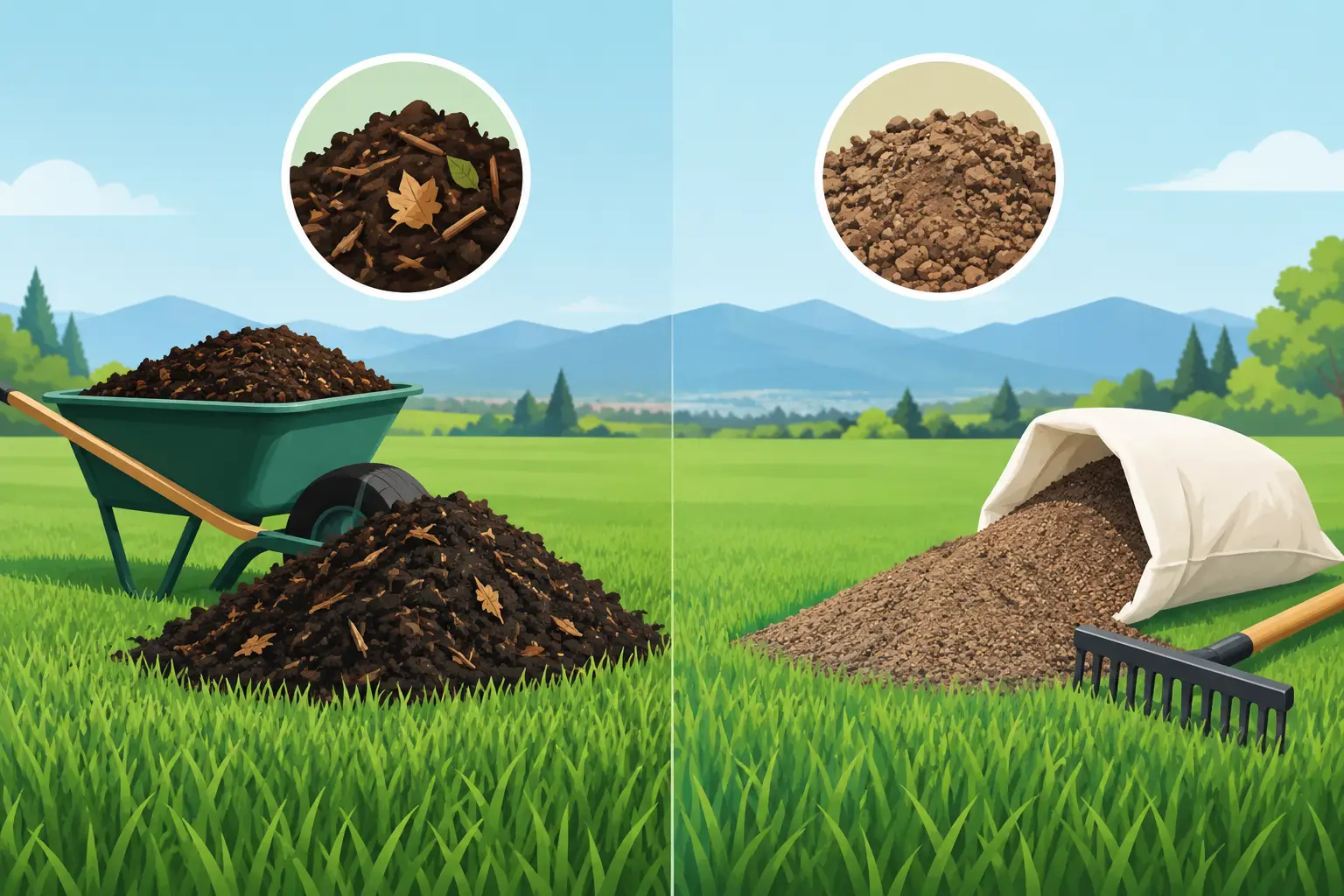
Compost is decomposed organic material. Quality finished compost is dark, crumbly, and earthy smelling, with nutrients and beneficial organic matter that support soil life. Its main job is to improve the soil over time. In a High Desert lawn, that can mean better moisture retention, improved nutrient cycling, and a healthier root zone in soil that dries quickly.
Topdressing is an application method. It means spreading a very thin, even layer over the lawn surface and working it down through the grass canopy. Topdressing material can be screened compost, sand, a soil-and-compost blend, or another mix selected for a specific goal.
So, if your priority is building better soil and helping turf hold moisture, compost topdressing is usually the right direction. If your main problem is minor unevenness, shallow low spots, or a bumpy mowing surface, a sand-based or soil-matched topdressing may be more appropriate. The best choice depends on what is happening below your lawn, not just how the grass looks from the street.
Why Compost Often Makes Sense in Central Oregon
Many local lawns sit on coarse, fast-draining ground. Water can move through it quickly, carrying nutrients beyond the active root zone while leaving grass stressed between irrigation cycles. Finished compost helps change that pattern gradually by increasing the soil’s ability to hold both water and nutrients.
This does not mean compost turns a lawn into a low-water landscape overnight. Turf still needs correctly scheduled irrigation, especially during summer heat. What compost can do is make each watering more productive by creating a root zone that does not dry out as quickly or waste nutrients as easily.
Compost also supports a more resilient lawn after foot traffic, pet wear, heat stress, or winter damage. As soil structure improves, roots have a better chance to grow deeper and access water stored below the surface. That is especially valuable when water restrictions require homeowners to be more intentional with irrigation.
Use only mature, well-screened compost intended for lawn and landscape use. Raw or poorly finished material can introduce weed seeds, have an unpleasant odor, or tie up nitrogen while it continues decomposing. Compost that is too coarse will sit on top of the turf instead of settling into the canopy where it can do the most good.
When a Different Topdressing Material Is Better
Not every lawn issue is a compost issue. Topdressing with sand or a compatible soil blend can be the better choice when leveling is the main goal. For example, minor depressions caused by settling, irrigation repairs, or regular traffic may need a stable mineral material that holds its grade.
Using compost alone to fill a low spot can create a soft area that settles as the organic matter breaks down. For a shallow depression, a soil blend compatible with the existing root zone is generally more dependable. Once the grade is corrected, a lighter compost application across the lawn can still help improve soil health.
Sand is also commonly used on intensively managed sports turf, but it is not automatically the right answer for every home lawn. A random sand layer over finer soil can create drainage and layering problems rather than solving them. Central Oregon soils vary widely from one neighborhood to another, so material selection should reflect the lawn’s existing soil, the turf type, and the reason for topdressing.
If that sounds more technical than a simple weekend lawn project should be, it can be. A quick conversation with a local lawn specialist before ordering material can prevent the costly mistake of applying several cubic yards of the wrong product.
How Much Compost Should You Apply?
For an established lawn, a light application is the rule. A layer around one-quarter inch of screened compost is often enough to provide meaningful soil benefits while allowing grass blades to remain exposed. Thick applications can block sunlight, hold too much moisture at the crown, and leave clumps that smother turf.
The goal is not to see a blanket of compost across the lawn when you finish. The goal is for the material to settle between the grass blades, reaching the soil surface. After spreading, drag the material with the back of a rake, a leveling lute, or a suitable mat until the lawn looks lightly dusted rather than buried.
For areas being overseeded, use an even lighter layer after seed is applied. Compost can help protect seed and moderate surface moisture, but grass seed still needs light and good seed-to-soil contact. Burying it under a heavy layer may reduce germination rather than improve it.
One cubic yard of material can cover roughly 1,000 square feet at about one-quarter inch deep, although actual coverage changes with application depth and how much material is lost in uneven areas. Measure your lawn before buying. Ordering based on guesses often leaves homeowners either short mid-project or trying to find a place for excess material.
The Right Time to Topdress a Bend Lawn
Topdress when grass is actively growing and can recover from the disruption. For cool-season lawns common in Central Oregon, late spring or early fall are usually the most forgiving windows. Early fall is often especially useful because daytime temperatures are moderating, weed pressure may be lower, and turf has time to establish roots before winter.
Avoid topdressing a drought-stressed lawn during the hottest part of summer unless you can keep it adequately irrigated. Compost is beneficial, but it is not a substitute for water during a heat event. Likewise, avoid applying material to frozen ground or when the lawn is saturated and traffic will compact the soil.
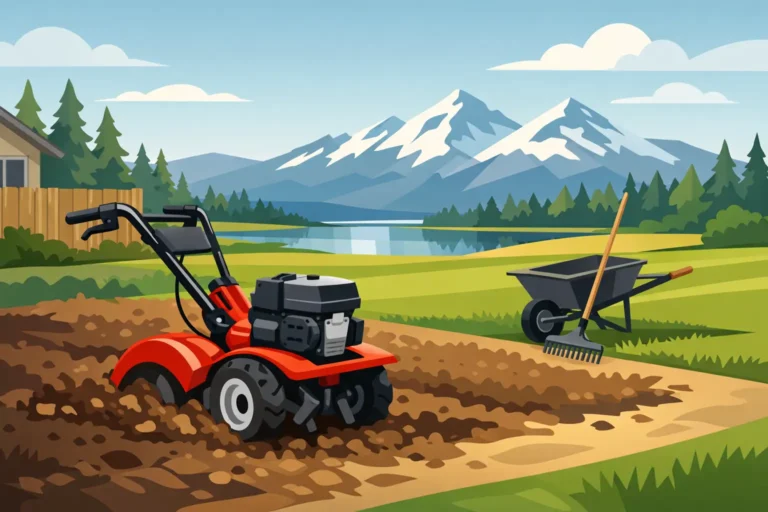
If your lawn has a significant thatch layer or compacted soil, aeration before topdressing can improve results. Aeration creates openings that allow organic matter, water, and air to move closer to the roots. On heavily matted lawns, power raking may be needed first, but it should be used carefully because it can be aggressive on already stressed turf.
A Practical Topdressing Process
Mow the lawn slightly lower than normal, but do not scalp it. Remove heavy clippings so the material can reach the soil surface. If aeration is part of the plan, complete it before spreading compost or a topdressing blend.
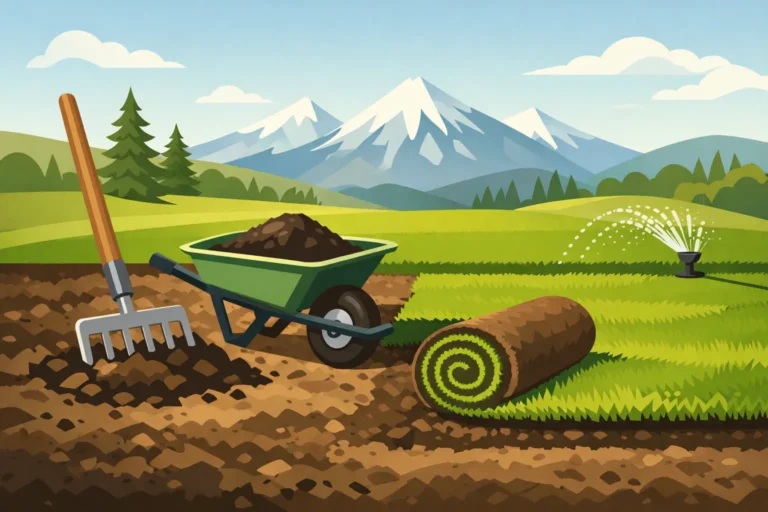
Apply the material in small piles or a controlled pattern, then spread it evenly. A wheelbarrow and rake work well for small lawns. Larger properties, renovation projects, and professional maintenance crews benefit from a topdresser that delivers a consistent layer with less labor and fewer heavy spots.
After working the material into the turf, water lightly to settle it. Continue normal irrigation based on weather, soil moisture, and local watering guidance. Do not overwater just because compost was added. The long-term purpose is to improve how the soil uses water, not to keep the surface constantly wet.
Common Mistakes That Limit Results
The most common mistake is applying too much material at once. More compost is not automatically better, especially on a lawn that already has thin, stressed turf. Light, repeat applications are easier on the grass and more effective for building soil over time.
Another mistake is using topdressing to cover up a deeper issue. If turf is thinning because of poor irrigation coverage, compacted soil, a weak seed variety, shade, or insect damage, compost alone will not correct the cause. It can be part of the solution, but the lawn needs a full diagnosis.
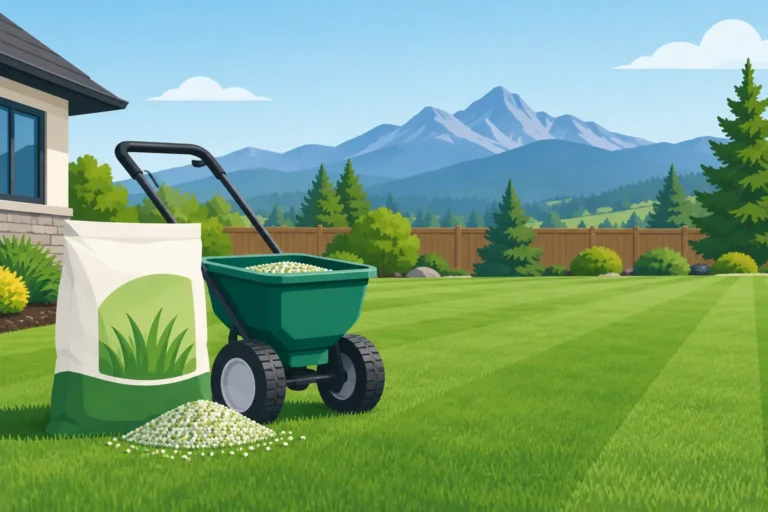
Finally, do not overlook grass selection. A water-wise, regionally appropriate seed blend paired with improved soil gives you a better chance of maintaining a healthy lawn with less waste. Central Oregon Lawn Center can help match compost, seed, fertilizer, and rental equipment to the conditions in your yard or on your job site.
A well-timed topdressing is one of the quietest improvements you can make to a lawn. You may not see dramatic results the next morning, but with lighter applications, smarter irrigation, and soil-first care, the lawn becomes better prepared for the dry, demanding seasons ahead.