Tiller Rental for Lawn Prep in Central Oregon
If you have ever tried to start a lawn in Central Oregon by scratching seed into hard, dry ground, you already know the problem. The soil often looks workable on top, then turns compacted, rocky, or dusty a few inches down. That is why tiller rental for lawn prep can be the right move – but only when the site, timing, and soil conditions actually call for it.
A tiller is not a magic fix. In some yards, it creates the ideal seedbed for new grass. In others, it can bring up weed seed, destroy existing grade, or leave you with a fluffy surface that settles unevenly after watering. Good lawn prep starts with knowing what your soil needs, not just which machine is available.
When tiller rental for lawn prep makes sense
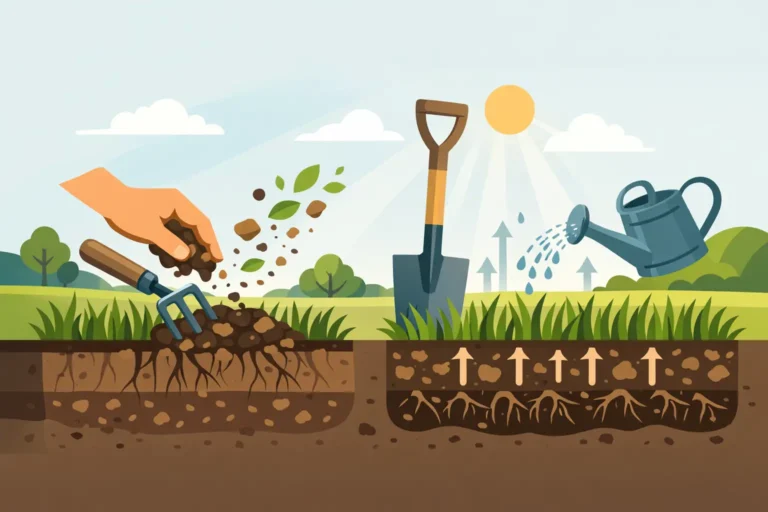
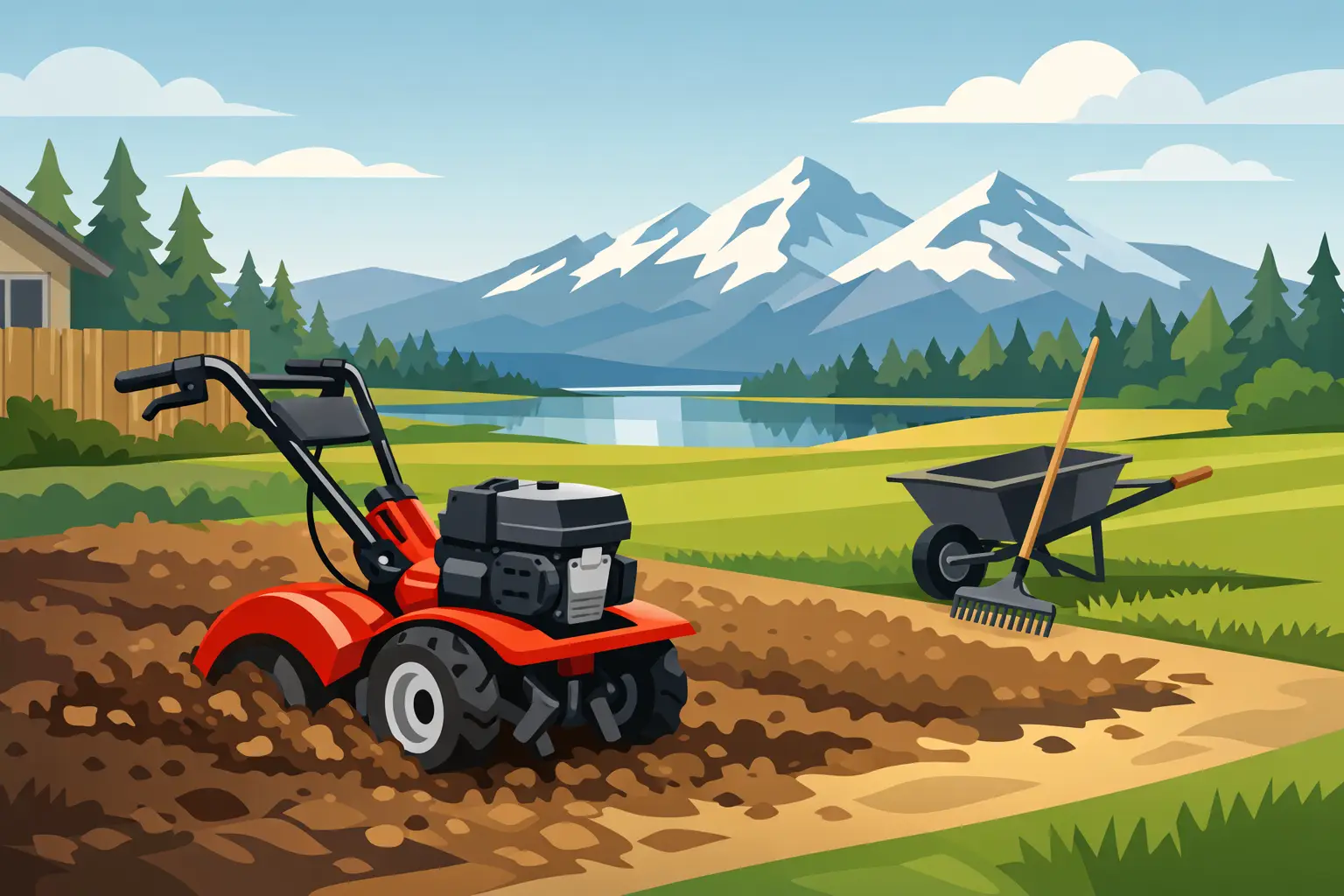
Tilling is most useful when you are establishing a lawn from bare ground or doing a full renovation where the existing turf has already been removed. It helps break up compacted soil, blend in compost or amendments, and create a looser surface so seed can make better contact with the soil.
That matters in Bend and across Central Oregon, where many properties deal with sandy soil, low organic matter, and dry conditions that make early root development harder. If the top few inches are crusted, uneven, or resistant to water, a tiller can help open things up enough to improve seedbed preparation.
It is also useful when a site has been disturbed by construction. New homes and landscape projects often leave behind compacted subsoil, rock, and debris. In those situations, tilling is often part of rebuilding the upper soil layer into something turf can actually grow in.
Still, there is a difference between loosening soil and overworking it. If you till too deep or when the soil is too dry, you can create large clods that are difficult to break down. If the soil is too wet, the tiller can smear and compact it instead of improving it.
When a tiller is the wrong tool
Not every lawn project should start with tilling. If you are overseeding an existing lawn, a tiller is usually too aggressive. You are better off with aeration, dethatching, or power raking, depending on the condition of the turf.
Tilling can also create problems on sloped areas. Once the soil is loosened, irrigation water or spring rain can move it downhill, along with your seed. On those sites, preserving soil structure and improving the surface with topdressing is often the better approach.
Weed pressure is another factor. If your yard has a long history of invasive annual weeds, tilling may stir up a fresh wave of seeds that have been sitting below the surface. That does not always mean you should avoid it, but it does mean you should go in with a realistic plan for follow-up care.
What Central Oregon soil changes about the job
Local conditions matter here more than they do in milder regions. High Desert lawns are established under lower humidity, more intense sun, and tighter water management. That means your seedbed needs to do two things at once – drain well enough to avoid runoff and hold enough moisture to support germination.
A freshly tilled surface can dry out faster than many homeowners expect, especially during windy periods. That is one reason lawn prep in this region should include more than just machine work. The right amendment mix, final grading, and irrigation plan all affect whether the seed actually makes it through establishment.
Rock content is another local challenge. Some sites till cleanly. Others are full of lava rock, construction debris, or compacted fill. A tiller can help expose those issues, but it cannot solve them by itself. You may need to rake out debris, add screened soil, or bring in compost to create a more plantable surface.
How to use a rental tiller without creating more work
The biggest mistake most people make is rushing straight to tilling. Start by clearing the area. Remove old turf, weeds, large roots, and surface rock. Mark irrigation heads and shallow lines so they are not damaged.
Next, check moisture. You want soil that is slightly damp, not powder dry and not muddy. If it is bone dry, water lightly a day or two ahead of time. That helps the tiller cut through the soil instead of bouncing across the surface.
For most lawn prep, the goal is to loosen the top 3 to 5 inches, not churn the yard into deep powder. A moderate depth is usually enough to incorporate amendments and improve seed-to-soil contact while preserving a more stable base underneath.
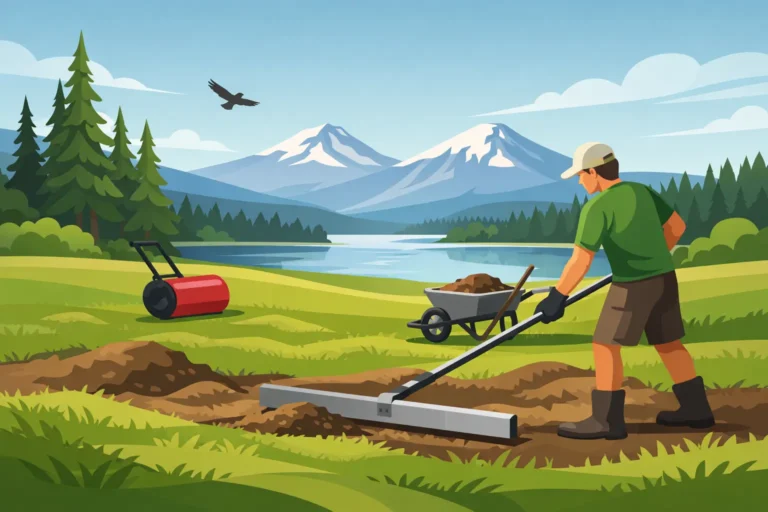
After tilling, do not stop there. Break up clods, remove newly exposed rock, and rake the area smooth. Final grade matters. A surface that looks fine before irrigation can settle into low spots after the first few watering cycles. If you skip finish work, you often pay for it later with puddling, uneven germination, or mower scalping.
Soil amendments matter as much as the machine
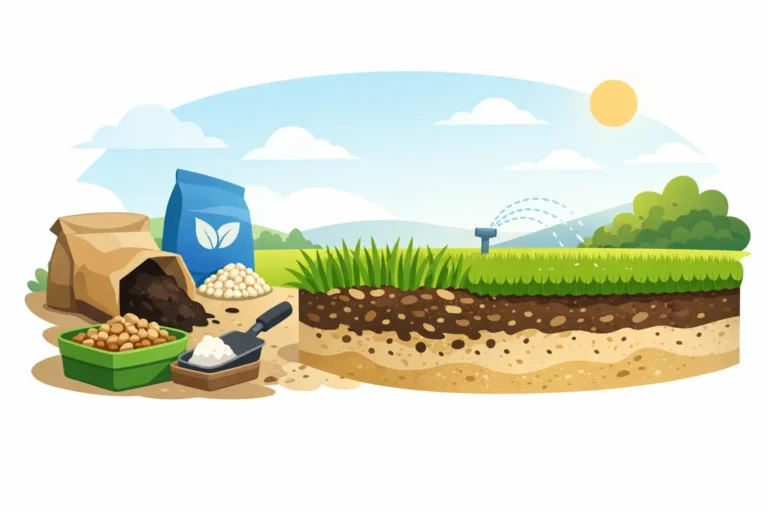
A tiller only mixes what you put into the soil. If your lawn area is low in organic matter, this is the time to add compost or soil-building materials that improve moisture retention and root development.
That is especially important in Central Oregon, where many lawn soils struggle to hold water evenly. Sand-heavy soil can drain too fast, while compacted zones can repel water at the surface. Proper amendments help balance those extremes.
This is where local advice pays off. A generic lawn prep recipe may not fit your property. Some yards need organic matter. Others need better grading, less tilling, or a seed blend selected for sun exposure and irrigation limits. Central Oregon Lawn Center helps homeowners and pros match equipment rental with the right soil products and region-specific guidance, which saves a lot of trial and error.
Timing your tiller rental for better results
Timing affects both the tilling process and the lawn that follows. In this region, spring and early fall are usually the most practical windows for lawn establishment. Summer heat can make new seed harder to keep moist, while late-season projects risk slower germination and shorter root-development time before winter.
If you are renting a tiller, have the rest of your plan ready before pickup day. That includes amendments, seed, fertilizer if appropriate, irrigation adjustments, and finish tools like rakes and rollers. Tilling is one step in a sequence. Once the soil is opened up, you want to move efficiently into grading, seeding, and watering.
A delayed project often leads to a dry, rough seedbed that has to be reworked. That adds labor and can reduce the benefit of the original tilling.
DIY rental versus hiring the work out
For many homeowners, renting a tiller makes financial sense for a medium-sized lawn project. You get the benefit of the machine without owning equipment you may only use once. It is a good fit if you are comfortable operating equipment, have time to do careful finish work, and can manage the follow-up steps.
For larger properties, heavily compacted sites, or renovations with irrigation and grading issues, hiring part or all of the work out may be the smarter choice. Professionals can often spot drainage problems, grade mistakes, and soil limitations before seed goes down. That matters because the prep work determines whether the lawn comes in evenly.
There is no one answer for every yard. Some projects need a tiller. Some need aeration and topdressing instead. Some need a full reset with better soil and a drought-tolerant seed blend. The best results usually come from choosing the right level of disturbance for the site, not the most aggressive option.
What to ask before you rent
Before committing to a tiller rental for lawn prep, it helps to answer a few practical questions. Are you starting from bare ground or renovating existing turf? Is your soil actually compacted, or just dry and low in organic matter? Do you have rocks, roots, or irrigation lines that will complicate the job? And once the soil is tilled, do you have a clear plan for grading, seeding, and watering?
Those answers shape the right approach. In some yards, a tiller is exactly what gets the project moving. In others, a different rental or a better amendment strategy will produce a healthier lawn with less rework.
A greener lawn in Central Oregon starts below the surface. When you prep the soil with the local climate, water demands, and site conditions in mind, the grass has a much better chance to establish strong and stay that way.