High Desert Lawn Care Guide for Central Oregon
A lawn in Bend can look fine in May, stressed by July, and thin again by fall if the plan never matched the climate. That is why a true high desert lawn care guide has to start with local reality: low humidity, sandy soil, sharp temperature swings, limited water, and a shorter window for active growth than many homeowners expect.
In Central Oregon, the goal is not a perfect lawn at any cost. The goal is durable turf that holds color, recovers from wear, and uses water responsibly. That takes a different approach than generic lawn programs built for milder, wetter regions.
What makes high desert lawn care different
Most lawn problems here trace back to three factors working together. First, our soils often drain fast and do not hold nutrients well. Second, dry air and summer heat pull moisture out of the turf quickly, even when temperatures look moderate on paper. Third, lawns are asked to perform through cold winters and hot, bright summers without much margin for error.
That is why overwatering does not really solve drought stress, and more fertilizer does not automatically mean greener grass. If the soil profile is weak, irrigation is uneven, or the grass variety is not suited to Central Oregon, the lawn will keep cycling between green-up and decline.
A better plan starts by treating the lawn as a system. Seed selection, soil health, irrigation, mowing, and seasonal timing all matter. Miss one of them, and the others have to work much harder.
Start this high desert lawn care guide with soil
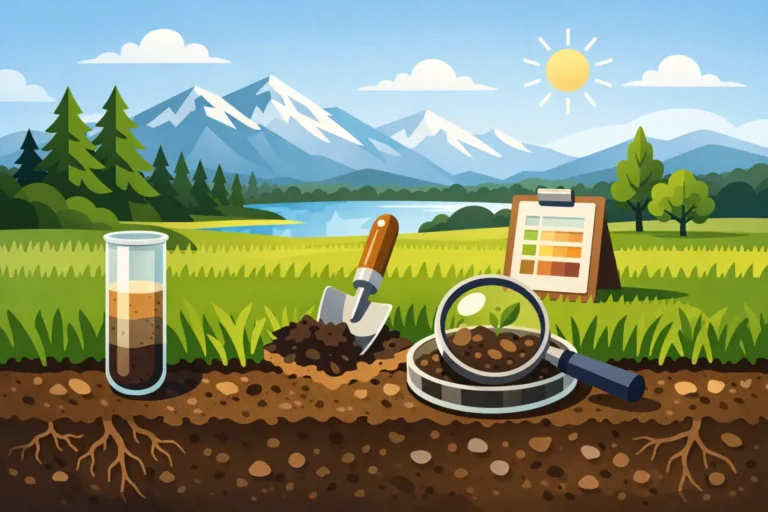
If you only change one thing, change the soil. Many Central Oregon lawns sit on compacted ground, rocky fill, or sandy native soil with low organic matter. That combination makes it hard for roots to go deep and hard for moisture to stay where the grass can use it.
Top growth can hide that problem for a while, especially in spring. Then summer arrives, irrigation runs more often, and the lawn still looks tired. The issue is not always a lack of water. Often it is poor water retention, shallow rooting, or limited nutrient availability.
Adding the right soil amendments and topdressing materials can make a noticeable difference over time. Organic matter improves structure, helps moderate moisture swings, and supports microbial activity that keeps soil functioning better through the season. Aeration also matters here. In compacted lawns, opening the surface allows water, air, and nutrients to move deeper instead of sitting near the top and evaporating away.
For homeowners with thin turf or patchy areas, this is where renovation often pays off more than repeated quick fixes. For contractors managing larger properties, improving the root zone usually reduces callbacks later in the season.
Grass seed matters more than most people think
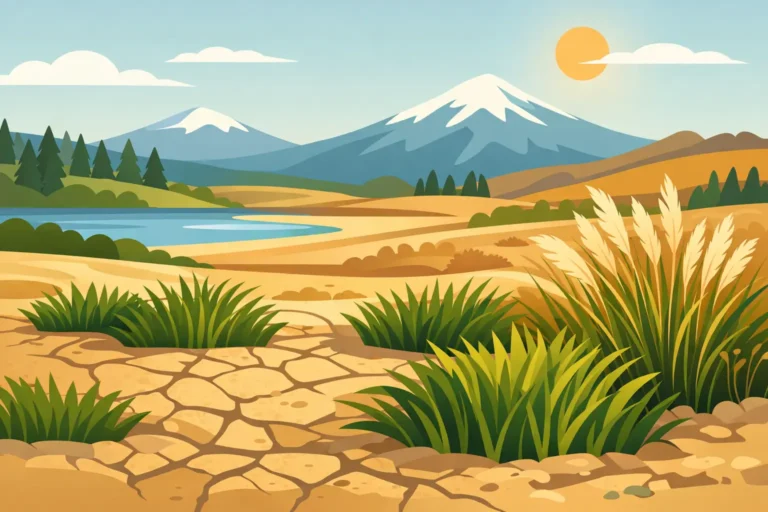
Not all grass performs the same in high desert conditions. A seed mix that looks great in the Willamette Valley or the Midwest can struggle badly in Bend. The right blend needs to handle dry conditions, cold winters, foot traffic, and irrigation that may not be perfect every single day.
This is one of the biggest mistakes we see with new lawns and overseeding projects. People buy a generic bag, spread it correctly, water faithfully, and still end up disappointed. The problem was never effort. It was using turf types that were not selected for this climate.
A region-specific seed blend gives you a better chance at density, recovery, and long-term color. It also helps with efficiency. If the turf is naturally better suited to Central Oregon, it usually takes less intervention to keep it healthy.
That matters whether you are establishing a front yard, refreshing worn backyard turf, or renovating a commercial lawn that needs to stay presentable under use.
Water deeply, not constantly
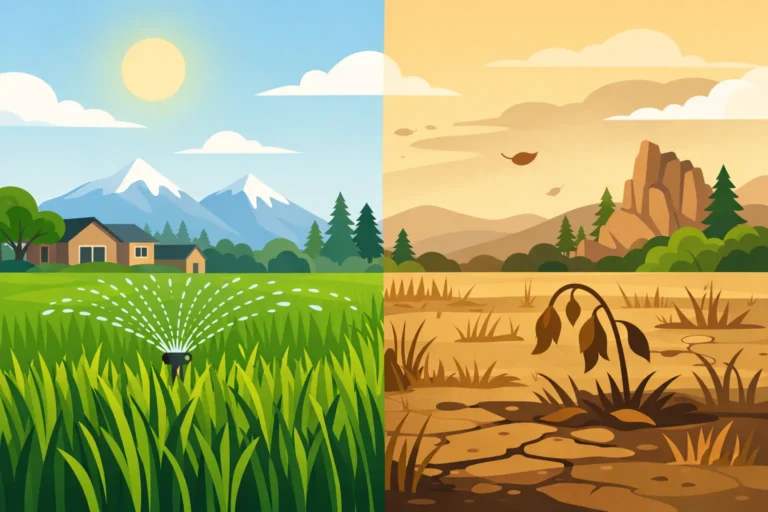
Irrigation is where high desert lawn care usually goes off track. Because the air is so dry, many people respond by watering lightly and often. It feels safer. In practice, that pattern can keep roots shallow and make the lawn more dependent on frequent irrigation.
A healthier approach is to water deeply enough to encourage roots to move down, then allow enough time between cycles for the upper soil to breathe. Exactly how often that should happen depends on your soil, sprinkler coverage, slope, sun exposure, and turf type. A shady lawn with improved soil behaves very differently from a south-facing area on sandy ground.
Uniform coverage is just as important as schedule. Dry rings, runoff, and green stripes usually point to system issues rather than product issues. Misaligned heads, clogged nozzles, and pressure problems waste water and create inconsistent turf stress. If one area always burns out first, inspect the irrigation before assuming the lawn needs more fertilizer.
Early morning watering remains the best fit for this region. Midday irrigation loses too much to evaporation, and late evening watering can leave the lawn damp too long in cooler periods.
Fertilize for steady health, not quick color
In Central Oregon, heavy feeding can create more problems than it solves. Fast green-up may look good for a short window, but excessive growth means more mowing, more water demand, and more stress when the weather turns hot.
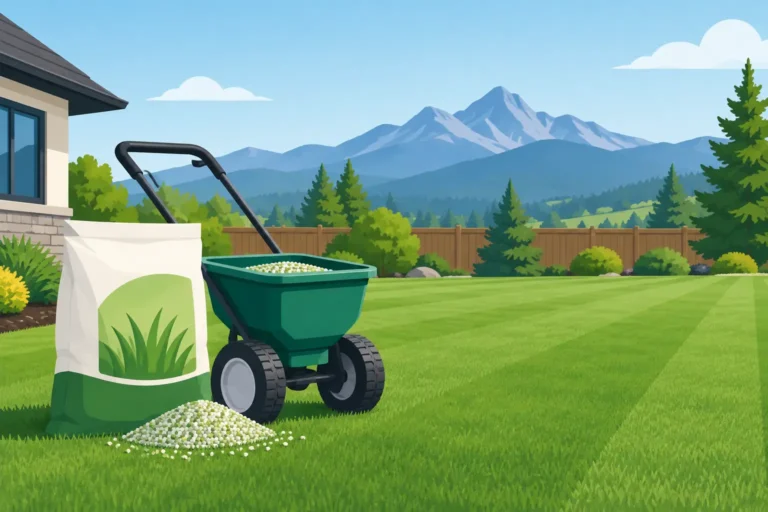
A better program focuses on balanced, season-appropriate fertility. Slow-release and organic-based products are often a smart fit because they feed more gradually and support soil health instead of pushing a brief flush of top growth. That aligns well with customers who want greener lawns without loading the yard with unnecessary inputs.
Timing matters. Spring feeding should support recovery and root activity, not force lush growth too early. Summer applications need a lighter hand, especially during heat or water restrictions. Fall is often the most underrated feeding window because the turf can strengthen roots and store energy for winter and spring green-up.
If the lawn is pale, do not assume nitrogen is the whole answer. Iron deficiency, poor soil biology, compaction, and irrigation gaps can all affect color.
Mow for resilience
Short mowing is common, and it is one of the fastest ways to weaken a high desert lawn. Taller grass shades the soil, reduces evaporation, and supports deeper roots. Scalped turf heats up faster and shows stress sooner.
For most home lawns in this region, mowing on the higher side is the safer choice during the main growing season. It may look slightly less manicured for a day or two after mowing, but it usually performs better through heat, sun, and wear.
Sharp blades also matter more than people think. Dull blades tear grass, leaving the lawn with a frayed look and adding stress during already dry conditions. If a lawn looks gray or ragged after mowing, blade condition should be part of the conversation.
When to repair, overseed, or fully renovate
Some lawns need maintenance. Others need a reset. Knowing the difference can save time and money.
If the lawn is generally healthy but thin in spots, overseeding after aeration may be enough. If the soil is hard, the turf is patchy, and weeds have filled large sections, a more involved renovation usually gives better results. Power raking, aerating, topdressing, and reseeding can rebuild a lawn that has been declining for years.
Timing is critical. Early fall is often the best window for major lawn work in Central Oregon because the soil is still warm, pressure from summer heat starts to ease, and new seedlings have a better chance to establish before winter. Spring can also work, but young grass may face summer stress before it has fully matured.
This is where local guidance and the right equipment make a real difference. Aerators, power rakes, top dressers, sod cutters, and trenchers can turn a frustrating project into a manageable one when used at the right stage.
A practical seasonal rhythm for Central Oregon
Spring is for cleanup, irrigation checks, soil improvement, and measured feeding. It is also the time to assess winter damage and decide whether patch repair or broader overseeding is needed.
Summer is about consistency. Water wisely, mow higher, and avoid forcing heavy growth. Watch high-exposure areas closely, especially along pavement, driveways, and reflected heat zones.
Fall is the strongest opportunity for seed, renovation, aeration, and root-focused fertility. If you have been living with a struggling lawn, this is usually the season to act.
Winter is quieter, but not irrelevant. Protect dormant turf from unnecessary traffic when possible, and use the off-season to plan irrigation upgrades, soil work, or a spring rental schedule.
High desert lawn care guide takeaways that hold up
A healthier lawn in Bend does not come from chasing every brown spot with a different product. It comes from matching the plan to the place. Build better soil. Use seed that belongs here. Water with intention. Feed for durability. Mow to protect the plant, not just to shorten it.
That approach is better for the lawn, better for water use, and usually better for the budget over time. If you are unsure where the weak point is, start with the basics and get local advice before spending money on generic fixes. In high desert conditions, the smartest lawn care is usually the most specific.