How to Choose Irrigation Timers for Bend Lawns
A timer that runs every zone for the same length of time can turn a Bend lawn into a patchwork of thirsty turf, soggy beds, and wasted water. Learning how to choose irrigation timers starts with the conditions in your own yard: High Desert heat, sandy soil, wind, varying sun exposure, and the mix of lawn, shrubs, and drip irrigation you need to manage.
The right controller does more than switch sprinklers on and off. It gives each part of the landscape the water it can actually use. That means healthier roots, fewer runoff problems, and a more responsible approach to a resource Central Oregon landscapes depend on.
Start With Your Irrigation Zones
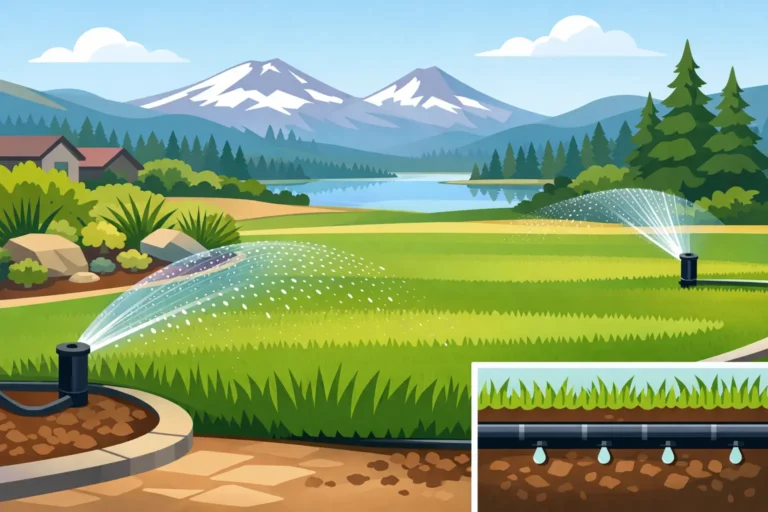
Before comparing timer features, count the zones your system has and identify what each one waters. A zone is a group of sprinkler heads or drip lines that operates at the same time. Most homes have separate zones for front lawn, back lawn, side yard, foundation planting, garden beds, or drip lines.
Choose a controller with at least as many stations as your current system needs. If you have six zones, an eight-station timer is often the more practical choice. The additional capacity leaves room for a future garden bed, a new shrub border, or a drip conversion without requiring a new controller.
Just as important, avoid combining zones with different water needs. Turf sprays water over a broad area and typically need a different run time and schedule than drip lines serving trees, perennials, or vegetable beds. A timer cannot correct poor zone design, but separate programming makes it much easier to water efficiently.
For larger properties, multi-program controllers are useful because they let you group zones by purpose. For example, lawn zones can run early in the morning on one schedule, while established shrubs on drip irrigation can run less often on another. Landscapers managing several irrigation areas will usually benefit from extra station capacity and clearer programming options rather than the least expensive controller available.
Choose a Timer That Fits Your Water Source
Irrigation timers generally fall into two categories: hose-end timers and in-ground controller timers. The right choice depends on how water reaches your landscape.
A hose-end timer attaches to an outdoor spigot and controls a hose, so it is a good fit for a small garden, temporary drip setup, newly planted area, or a property without an installed sprinkler system. Look for a model with at least two outlets if you want one line for garden beds and another for containers or a small lawn area. Battery-powered hose timers are simple to install, but batteries should be checked before the main watering season and before leaving town.
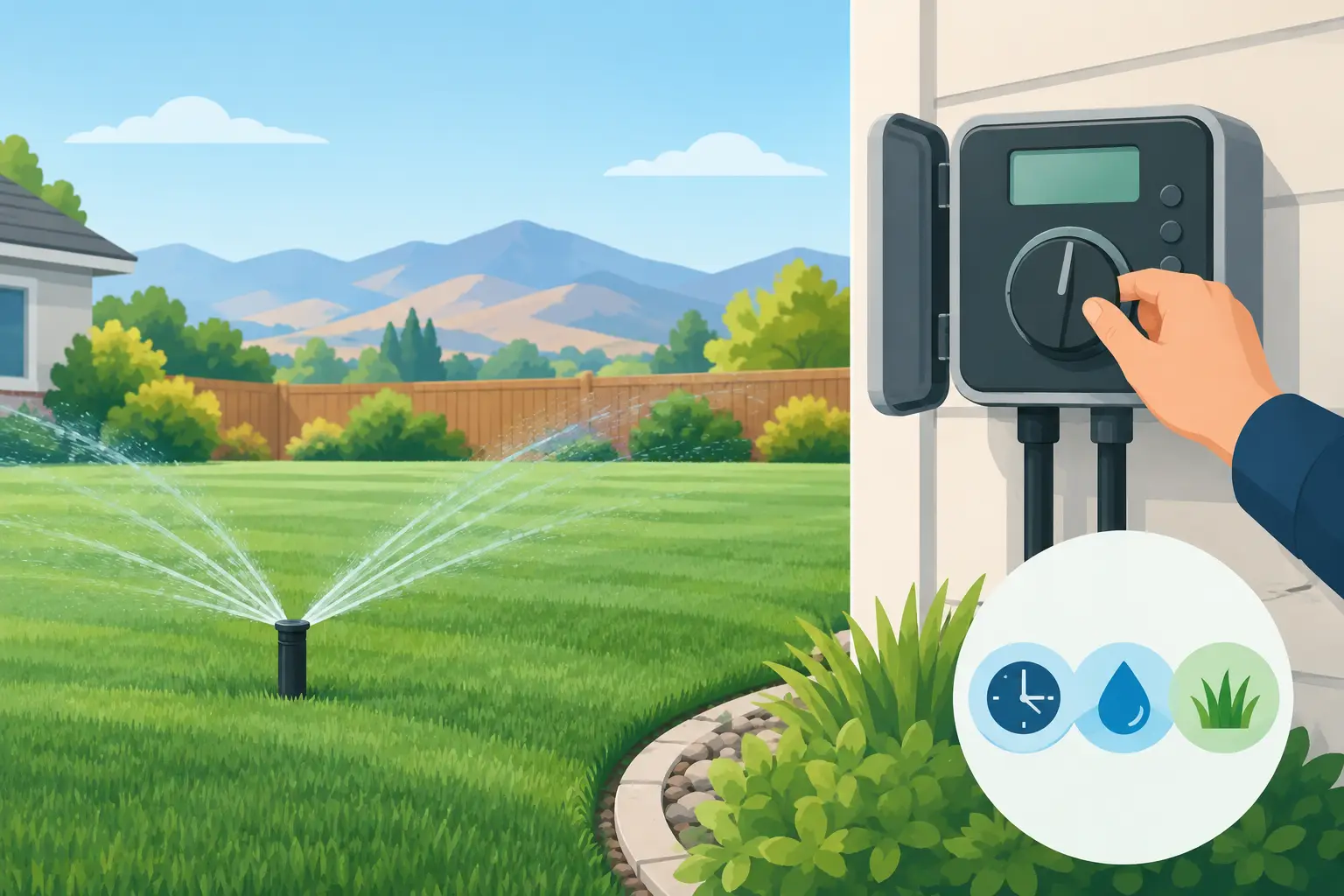
An in-ground controller operates wired valves, usually from a garage, utility room, or protected outdoor location. This is the standard choice for a built-in sprinkler system. It offers more zones, more scheduling flexibility, and better options for adding rain, freeze, or weather-based controls.
If your property has an irrigation pump, a well, or a nonstandard water source, confirm that the controller is compatible with the system components. A timer may need a pump-start relay, and poor compatibility can lead to frustrating failures even when the timer itself is working properly.
Manual, Smart, or Weather-Based Controls?
The best irrigation timer is not automatically the one with the most technology. It is the one you will program correctly and monitor through the season.
Basic programmable timers
A traditional programmable controller lets you set start times, watering days, and run times for each zone. These timers are dependable, straightforward, and often a strong value for homeowners who are comfortable adjusting schedules as conditions change. They work well when someone is present to reduce watering after cool weather, rainfall, or a period of wind.
The trade-off is that the controller follows instructions exactly, even when those instructions no longer fit the weather. A fixed July schedule can be excessive during a cool stretch and insufficient during unusually hot, windy conditions.
Wi-Fi smart timers
Smart controllers connect to home Wi-Fi and can be adjusted from a phone or tablet. Many use local weather data to make seasonal changes automatically. This can be especially helpful for homeowners who travel, properties with changing sun exposure, or people who want a clearer view of watering history and water use.
However, smart does not mean hands-off forever. Weather data may not reflect the conditions in your yard, especially if your property is windy, shaded, or sits in a warmer pocket of town. Wi-Fi reliability, app usability, and compatibility with your existing valves all matter. A smart timer is most valuable when it still allows you to set sensible limits and inspect the landscape regularly.
Controllers with sensors
A rain sensor prevents scheduled watering during or after enough rain. While Central Oregon is dry for much of the summer, rain sensors can still prevent unnecessary cycles during spring and fall. A freeze sensor or weather-aware controller can also help reduce the risk of operating irrigation when temperatures are too low.
Sensors are useful safeguards, not substitutes for winterization. When freezing weather approaches, irrigation systems still need proper seasonal shutdown and blowout procedures to protect pipes, valves, and backflow components.
Match the Timer to Central Oregon Soil and Climate
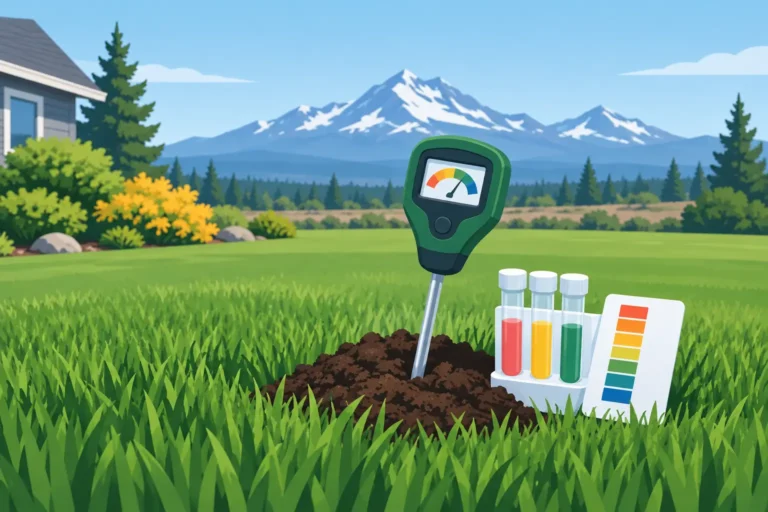
Central Oregon lawns often grow in sandy, fast-draining soils. Water can move downward quickly, beyond the active root zone, if a sprinkler runs too long at once. That is money and water disappearing below the lawn rather than helping the turf.
Look for a controller that supports multiple start times per day. This feature makes cycle-and-soak watering possible. Instead of running a lawn zone for one long 24-minute cycle, you might run three shorter cycles with time between them for water to soak in. The exact schedule depends on sprinkler precipitation rate, slope, soil condition, and turf health, but the principle is simple: apply water at a pace the soil can absorb.
This is also why seasonal adjustment matters. A useful timer lets you raise or lower all station run times by a percentage rather than reprogramming every zone. During cooler spring weather, you may need substantially less water than in the hottest part of summer. When daytime heat and dry wind increase, adjust gradually and watch the lawn rather than jumping to long daily watering.
Watering early in the morning is usually the best starting point. It reduces loss from afternoon heat and wind while giving grass blades time to dry. Avoid using a timer setup that regularly waters at night unless a specific planting need calls for it. Prolonged leaf wetness can encourage disease, even in a low-humidity climate.
Features Worth Paying For
A good irrigation timer should make efficient watering easier, not add unnecessary complexity. Prioritize features that address real management needs:
- Independent scheduling for each zone, including different run times and watering days.
- Multiple start times for cycle-and-soak watering on sandy soil or slopes.
- Seasonal adjustment so schedules can change quickly as weather changes.
- A rain delay function for unexpected wet weather or maintenance work.
- Sensor compatibility, especially if you want rain or freeze protection.
- A manual watering function for testing zones, establishing new seed, or checking repairs.
For Wi-Fi models, make sure the controller has a strong signal where it will be installed. For outdoor controllers, choose a weather-rated enclosure and protect wiring connections from moisture and damage. If power outages are common in your area, a backup battery or nonvolatile memory can preserve your programs.
A screen that is easy to read and controls you understand may be more valuable than a long list of features. If you cannot confidently change a schedule in July or pause watering before a repair, the timer is not serving you well.
Plan for New Lawns, Gardens, and Plantings
New seed, sod, and recently planted trees need watering schedules that are different from an established lawn. A timer should let you make temporary changes without disrupting every other zone on the property.
New grass often needs short, frequent watering during establishment to keep the seedbed or sod consistently moist. Once roots develop, the schedule should shift toward deeper, less frequent watering. Leaving establishment settings in place too long can create shallow roots and a lawn that struggles in summer heat.
Drip irrigation for trees and shrubs should also be programmed based on plant maturity, soil depth, and emitter output, not on the lawn schedule. Mature, well-established native or drought-tolerant plantings may need much less frequent irrigation than turf. This is where separate zones and a flexible timer pay off over time.
Do Not Let the Timer Hide Irrigation Problems
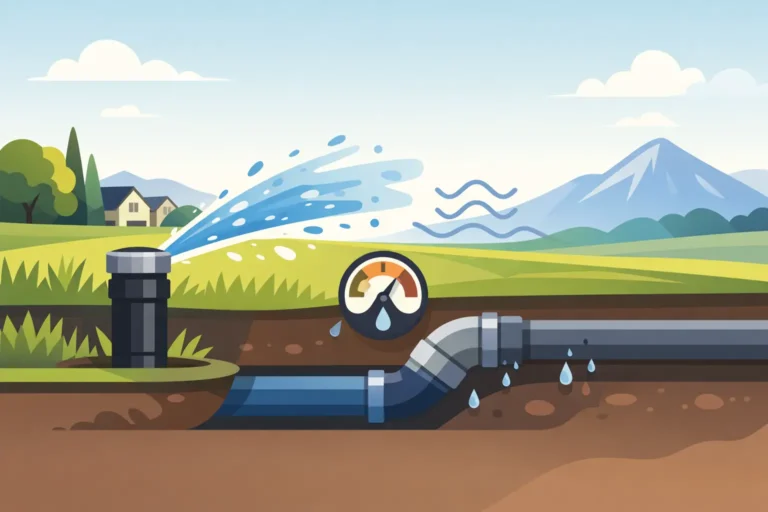
Even the best controller cannot make up for broken sprinkler heads, clogged drip emitters, poor pressure, leaks, or uneven coverage. Run every zone manually at least a few times each season. Look for misting heads, water hitting pavement, dry spots between sprinklers, runoff, and unusually wet areas that may indicate a leak.
A simple catch-can test can reveal whether one area receives far more water than another. Place several straight-sided containers across a lawn zone, run the system, and compare the collected water. If coverage is uneven, correct the sprinkler layout or nozzle issue before simply increasing timer run times.
At Central Oregon Lawn Center, we can help match a controller, sensor, drip components, and watering approach to the way your specific lawn and landscape are built. Bring in your zone count, photos of the existing controller, and any questions about dry spots or water use. A few minutes of local guidance can help your timer support a greener lawn without asking more from Central Oregon’s water supply than necessary.