Drip Irrigation Versus Sprinklers for Your Yard
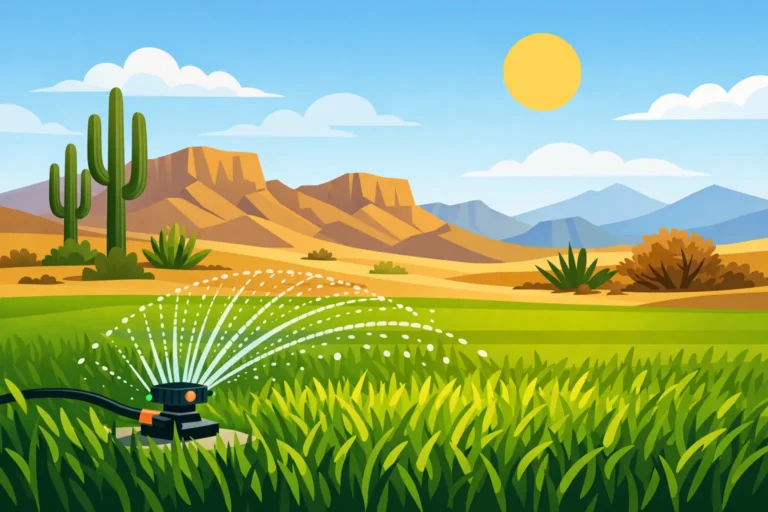
A Bend yard can look thirsty even when its irrigation system is running regularly. Low humidity, intense summer sun, sandy soil, wind, and water-conscious schedules all make every watering decision count. When comparing drip irrigation versus sprinklers, the right answer is rarely one system for the entire property. It depends on what you are watering, how your soil absorbs moisture, and how much maintenance you are prepared to handle.
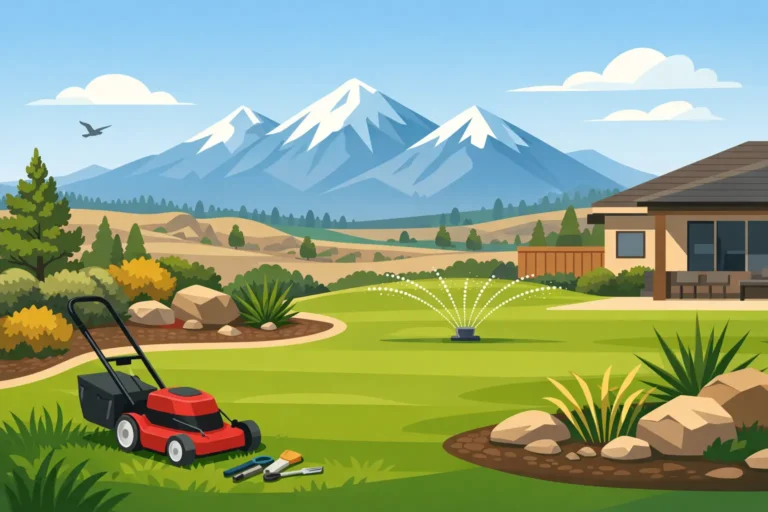
For most Central Oregon landscapes, the strongest approach is often a combination: sprinklers for established turf and drip irrigation for trees, shrubs, garden beds, and containers. The key is applying water slowly and accurately enough that plants can use it rather than watching it blow away, evaporate, or drain beyond the root zone.
Why Central Oregon changes the irrigation conversation
Irrigation advice that works in a wetter climate can waste water here. Central Oregon’s sandy or rocky soils tend to accept water quickly, but they also drain quickly. A long, heavy watering cycle may send moisture below shallow grass roots before turf has a chance to benefit. At the same time, clay pockets, compacted construction soil, and slopes can create runoff if water arrives faster than the ground can take it in.
Our short growing season adds another consideration. Lawns and landscape plants need consistent moisture while they are actively growing, but irrigation systems must also be protected before freezing temperatures arrive. A system that is efficient in July but difficult to inspect, repair, or winterize can become an expensive problem by October.
That is why equipment choice matters, but scheduling matters just as much. A well-designed sprinkler system can outperform a poorly maintained drip system, and the reverse is also true.
Drip irrigation versus sprinklers: the core difference
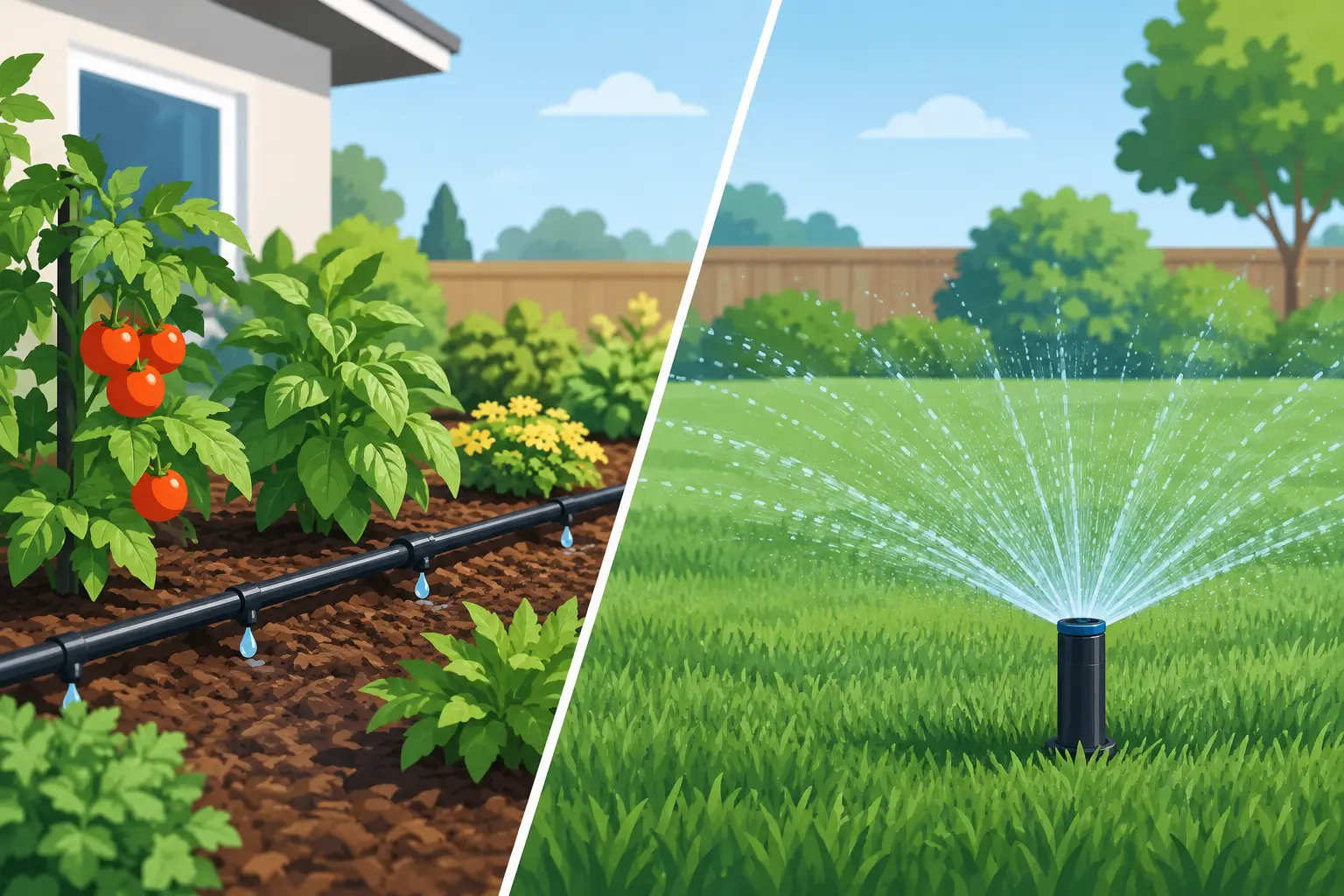
Drip irrigation delivers water directly to the soil near plant roots through tubing, emitters, or dripline. Sprinklers distribute water through the air over a larger area. That basic difference affects efficiency, plant health, installation, and where each option makes sense.
Where drip irrigation excels
Drip irrigation is usually the more water-wise choice for landscape beds. It keeps foliage dry, limits evaporation, and puts water where established trees, shrubs, perennials, and vegetables need it. This is especially helpful in exposed High Desert yards, where wind can carry sprinkler spray off target before it reaches the soil.
Drip also makes it easier to water different plant types appropriately. A mature native shrub, a newly planted ornamental tree, and a row of vegetables do not need the same amount of water. With properly selected emitters and separate zones, each area can receive a more suitable application rate.
For vegetable gardens, drip irrigation offers a practical benefit beyond water savings: dry leaves are less likely to develop fungal issues than plants watered from overhead. In flower beds, drip systems can reduce weed growth in unplanted areas because they are not wetting every inch of exposed soil.
There are trade-offs. Drip systems need filters, pressure regulation, and periodic inspection. Emitters can clog from sediment, roots, mineral buildup, or accidental damage from shovels and pets. Tubing can shift out of place, particularly in new beds before mulch and plants settle in. A drip system hidden under mulch is efficient, but it should not be forgotten.
Drip is also not automatically the best solution for a conventional lawn. While subsurface drip can work under turf, it requires thoughtful design, careful installation, and ongoing monitoring. Finding a leak or clogged line beneath grass is more difficult than replacing a visible sprinkler head.
Where sprinklers make sense
Sprinklers remain the practical standard for most turfgrass lawns. They are designed to provide the broad, even coverage that grass needs, and a properly spaced system can be easy to observe and adjust. If one head is blocked, tilted, leaking, or failing to pop up, the problem is usually visible during a test run.
For a lawn that receives full sun and heavy use from children, pets, or regular foot traffic, sprinklers can be the most reliable way to maintain uniform turf coverage. They are also a sensible choice for large seeded areas where the soil surface needs to stay consistently moist during germination.
The weakness of sprinklers is overspray and evaporation. Water landing on sidewalks, driveways, fences, and house siding does nothing for your landscape. Fine spray can drift in afternoon wind, while mismatched heads or poor spacing can leave dry strips and soggy patches. Watering during the hottest part of the day magnifies those losses.
Sprinklers can also encourage shallow roots if they run too frequently for short periods. Grass performs better when irrigation reaches the active root zone and the soil is allowed to dry slightly between cycles. In sandy soil, that may mean using shorter cycles with a pause between them instead of one long run time.
Match the system to the plant, not the habit
The question is not simply whether drip or sprinklers use less water. It is whether the system matches the area it serves.
Use sprinklers for a traditional lawn, open groundcover areas, and newly seeded turf. Choose drip for shrubs, trees, perennial beds, vegetable gardens, foundation plantings, and containers. If your property includes both lawn and landscaped beds, keep them on separate irrigation zones. Turf generally needs a different watering schedule than deeper-rooted shrubs and trees.
A common water-wasting mistake is running landscape beds on the same sprinkler zone as grass. The lawn may need regular coverage across the entire surface, while established shrubs may need slower, deeper irrigation less often. Separate zones let each landscape area receive water based on its actual needs rather than the needs of the hungriest plant nearby.
New plantings deserve special attention. A newly installed tree needs moisture around its developing root ball, not a daily mist across the surrounding bed. Drip emitters placed around the root zone can help establish trees efficiently, then be adjusted outward as roots expand. The goal is to encourage roots to grow into the surrounding soil, not remain dependent on a constantly wet pocket.
Efficient watering is mostly about scheduling
Even the best irrigation hardware cannot correct a poor schedule. Start by watering in the early morning, when temperatures and wind are generally lower. This gives water time to soak in and reduces evaporation compared with midday watering.
For turf, aim for deeper, less frequent watering rather than daily light watering once the lawn is established. The exact schedule changes with weather, soil type, grass variety, shade, and local restrictions. A lawn in full Bend sun with sandy soil may need attention sooner than one with afternoon shade and improved soil structure.
Watch the soil and plants instead of relying only on a timer. Turf that takes on a blue-gray cast, folds its leaf blades, or keeps footprints longer than usual may need water. On the other hand, soft ground, persistent puddles, mushrooms, or yellowing grass can signal overwatering or poor drainage.
For drip zones, run times may be longer because water is delivered slowly. Check moisture several inches below the surface near the plant’s root zone. If water is only wetting mulch or the top inch of soil, increase run time or adjust emitter placement. If it is moving far beyond the roots, reduce the duration.
Installation and maintenance details that protect your investment
A good irrigation system begins with correct pressure, components, and coverage. Drip zones need a filter and pressure regulator. Sprinkler zones need matched precipitation rates, properly sized nozzles, and head-to-head coverage so one sprinkler reaches the next. Mixing spray heads and rotors on the same zone often produces uneven results because they apply water at different rates.
After installation, inspect systems regularly through the growing season. Look for sprinkler heads buried by turf, broken nozzles, cracked risers, leaking valves, exposed dripline, and clogged emitters. Adjust spray patterns away from pavement and siding. A few minutes of observation can prevent a season of wasted water.
Before winter, Central Oregon irrigation systems need proper shutdown and blowout service to reduce freeze damage. Do not wait for a hard freeze to think about it. Damaged fittings, valves, and backflow components can turn spring start-up into an avoidable repair project.
If you are renovating a lawn, adding beds, or trying to improve water efficiency, it helps to assess the irrigation layout before choosing seed, fertilizer, or plants. Central Oregon Lawn Center can help you think through products and practical choices that fit your soil, sun exposure, and watering goals.
A greener yard does not have to mean using more water. Give turf the coverage it needs, give beds water at the root zone, and let the condition of your landscape guide each adjustment.