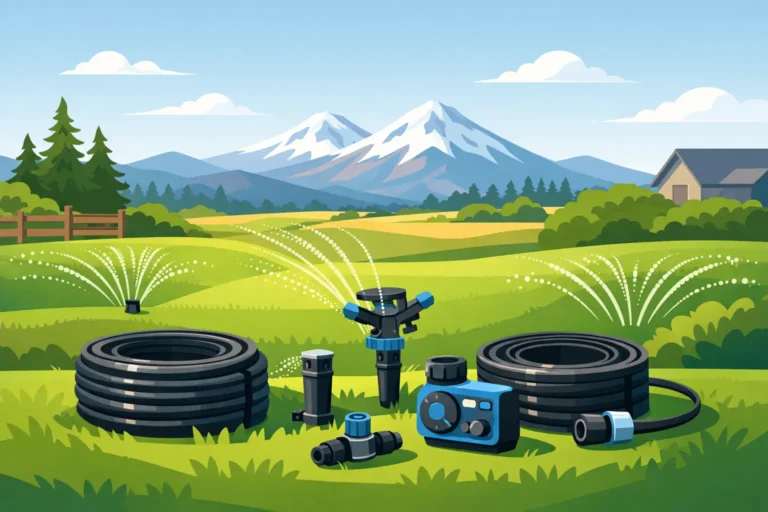

Lawn Care Automation for Central Oregon Yards
A Bend lawn can look fine on Monday, then show drought stress by Friday after a few hot, dry afternoons and a missed irrigation adjustment. That is where lawn care automation can earn its place. Used well, it helps homeowners and landscape professionals respond to actual conditions instead of relying on a fixed schedule that may waste water, encourage shallow roots, or leave turf stressed.
Automation is not a substitute for sound lawn fundamentals. Central Oregon’s sandy soils, low humidity, cool nights, short growing season, and water restrictions still call for the right seed, healthier soil, thoughtful fertilization, and proper irrigation design. The best automated tools support those decisions. They do not make them for you.
Where Lawn Care Automation Helps Most
For most High Desert properties, irrigation is the first place to automate. A traditional timer waters on the same days and for the same duration whether the week brings wind, cooler temperatures, smoke cover, or a stretch of 90-degree afternoons. Smart controllers add weather data, seasonal adjustments, and more precise programming to reduce that guesswork.
A well-programmed controller can skip or reduce watering after rain, adjust runtimes as temperatures shift, and divide the yard into zones with different needs. That matters when a sunny fescue lawn, a shaded side yard, planting beds, and a newly seeded area are all connected to the same system. Each area dries at a different rate, and treating them alike is one of the fastest ways to overwater some areas while underwatering others.
Automation can also help with routine mowing. Robotic mowers and programmable commercial equipment are becoming more common, particularly on flat, enclosed lawns with predictable turf areas. They can keep growth consistent and return fine clippings to the lawn, which can contribute modest organic matter over time. But they are not automatically the right choice for every Central Oregon yard. Uneven ground, exposed roots, steep grades, open property lines, pets, and complex landscaping can make setup more work than the labor it saves.
Smart Irrigation Starts With a Good System
A smart controller cannot correct poor sprinkler coverage, clogged nozzles, a leaking valve, or a zone that mixes spray heads with rotors. Before adding technology, make sure the system is mechanically sound and designed around the landscape it serves.
Start by watching each zone run. Look for dry arcs between sprinkler patterns, water hitting sidewalks, misting from excessive pressure, and runoff near compacted areas or slopes. Sandy soil often accepts water quickly at first, but water can move below the root zone if a long cycle is applied too fast or too often. If water is pooling or running off, shorter cycle-and-soak watering may be more effective than simply increasing the runtime.
Soil moisture sensors can be useful when placed correctly in representative turf areas. They measure what is happening in the root zone rather than only responding to weather data. This can be especially valuable on properties with exposed south-facing lawns, shade from mature trees, or significant differences in soil depth.
There is a trade-off. Sensors need proper placement, calibration, and occasional checking. A sensor placed beside a sprinkler head, in a naturally damp low spot, or too shallow in the soil can produce misleading readings. For many established lawns, a quality weather-based controller combined with regular visual inspections provides an excellent balance of control and simplicity.
Program for the Season, Not Just the Clock
Automation works best when it follows the lawn’s seasonal needs. Spring irrigation usually needs to be conservative. Cool temperatures and occasional precipitation can keep soil moisture available longer than expected, while early overwatering can promote weak root development and waste a limited resource.
During summer, watering deeply and less frequently is generally more useful than daily light watering for established turf. The exact schedule depends on your soil, grass type, sun exposure, sprinkler output, and local watering rules. A controller can make the schedule easier to maintain, but it should be reviewed as conditions change.
Late summer overseeding and fall renovation require a different approach. New seed needs consistently moist surface soil until it germinates and establishes. That may mean several short irrigation cycles each day at first, followed by a gradual transition to deeper watering. Do not leave a smart controller in its summer turf setting and expect new seed to succeed.
Automate Monitoring Before You Automate Everything
The most valuable form of lawn automation is often monitoring. Alerts for unexpected flow, a controller that reports a disconnected zone, or a rain sensor that prevents an unnecessary cycle can catch problems before they become an expensive water bill or a damaged lawn.
Flow monitoring deserves serious consideration for larger properties, homeowner associations, commercial landscapes, and irrigation systems that are difficult to inspect regularly. A sudden increase in flow may signal a broken line, a stuck valve, or a damaged sprinkler head. Those problems are common enough after winter, landscape work, or equipment traffic, and they can send a surprising amount of water into the wrong place.
Remote access also helps landscapers and busy homeowners make small corrections without standing at the controller. If a windy week is drying exposed turf faster than expected, runtimes can be adjusted from a phone or computer. That convenience is helpful, but it should not replace site visits. Grass still tells the truth better than an app does. Look for bluish-gray color, footprints that remain visible, thinning along pavement, or localized dry spots. Those signs may point to a coverage issue rather than a scheduling problem.
What to Keep Hands-On
Some lawn tasks benefit from automation. Others need local judgment, especially in the High Desert.
Fertilizer applications should be based on the condition of the lawn and soil, not an automatic calendar reminder. Central Oregon lawns often benefit from building soil health with appropriate organic inputs and amendments, but applying nutrients at the wrong time or in the wrong amount can create weak growth, increase water demand, or contribute to runoff. A lawn with thin turf and compacted ground may need aeration, topdressing, and overseeding more than another fertilizer treatment.
Mowing also needs occasional human attention. Even if a robotic mower handles regular trimming, adjust cutting height for heat, seasonal growth, and turf health. Keeping cool-season grass a little taller during hot, dry weather shades the soil and helps protect the crown of the plant. Dull blades, whether on a robot or a walk-behind mower, tear grass rather than making a clean cut.
Weed, pest, and disease decisions should never be fully automated. A brown patch may be drought stress, irrigation failure, dog damage, poor soil, chinch bugs, or simple dormancy. Treating every symptom with a product wastes money and can create larger problems. Identify the cause first, then choose the least disruptive practical solution.
Build an Automation Plan Around Your Yard
A practical approach is to add automation in stages. Begin with irrigation efficiency because that is where most Central Oregon lawns can see the clearest savings. Upgrade a failing timer to a smart controller, install a functioning rain sensor if appropriate, and correct coverage problems before adding more devices.
Next, consider whether soil moisture or flow monitoring solves a real issue on your property. They are most useful when the yard has variable exposure, high water use, multiple zones, or a history of leaks and inconsistent turf performance. For a small, simple lawn, the extra equipment may not provide enough benefit to justify the cost.
Finally, look at mowing automation only after deciding whether the site suits it. A robotic mower can be a practical labor-saving tool for a contained, level lawn. It is less appealing when it must navigate frequent obstacles, narrow passages, rough surfaces, or areas that need weekly trimming anyway.
Central Oregon Lawn Center can help match irrigation supplies, soil-building products, seed, and rental equipment to the work your property actually needs. Whether you are renovating worn turf or improving an established lawn, the goal is not to add gadgets for their own sake. It is to make healthier turf easier to maintain with less wasted water and fewer surprises.
A good automated system should give you more time to notice your lawn, not less reason to pay attention to it. Check the turf after weather changes, adjust for the season, and let your irrigation and equipment work in support of the land rather than on autopilot.