When Should I Dethatch My Lawn in Central Oregon?
A lawn can look brown, thin, or slow to drain for several reasons in Bend. Thatch is only one of them. Before pulling out a power rake, ask: when should i dethatch my lawn so it can recover quickly rather than take another hit? In Central Oregon, the answer depends less on the calendar alone and more on active grass growth, soil moisture, and whether thatch is truly the problem.
Dethatching removes the dense layer of stems, roots, and other slow-to-break-down plant material that can collect between green grass blades and the soil surface. Done at the right time, it can improve water movement, nutrient access, and overseeding results. Done at the wrong time, it can expose already stressed turf to heat, drought, wind, and weeds.
When Should I Dethatch My Lawn in Central Oregon?
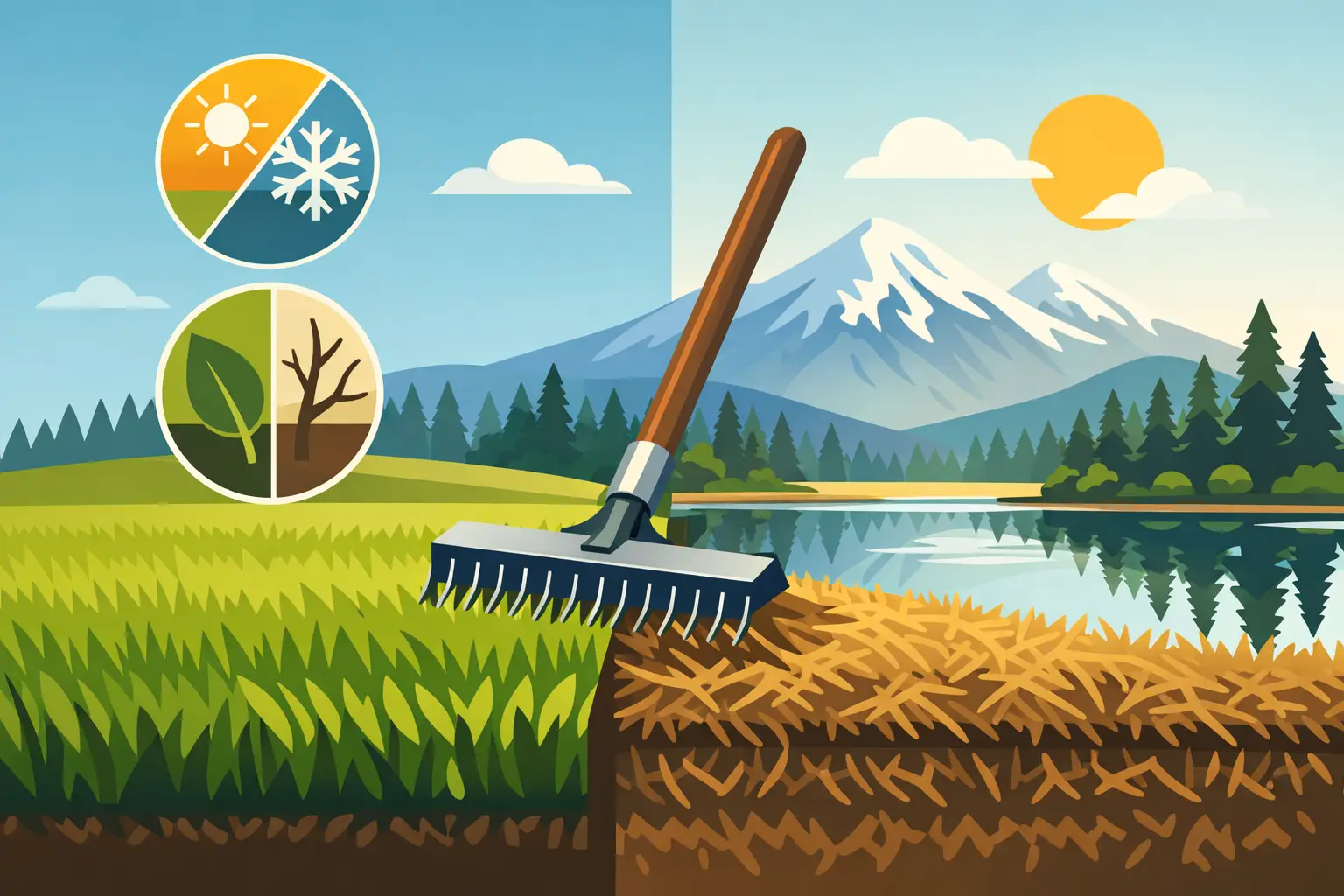
For most cool-season lawns in Bend and surrounding High Desert communities, early fall is the best time to dethatch. Aim for late August through September, while turf is actively growing and there is still enough warm weather for recovery before hard freezes arrive. Fall dethatching also pairs well with overseeding, which helps fill bare areas before the following summer.
Spring can work, too, but wait until the lawn has fully greened up and is growing steadily. Depending on elevation, weather, and irrigation, that is often late May into June. Dethatching too early in spring can damage turf that is only beginning to wake up from winter and may leave the lawn thin during a period when late frosts are still possible.
The timing matters because Central Oregon lawns operate on a short growing season. Our low humidity, sandy or low-organic-matter soils, bright sun, and water limitations can make recovery slower than it would be in a milder, wetter climate. A lawn needs enough moisture and active growth to replace the grass blades and roots disturbed by a dethatching machine.
First, Make Sure You Actually Have Thatch
Not every spongy lawn needs dethatching. A small amount of thatch is normal and useful. It cushions foot traffic, moderates soil temperatures, and can protect the soil surface from drying too quickly. The goal is not bare soil. The goal is a thin, healthy layer that allows water and air to move through it.
Use a hand trowel or shovel to cut a small wedge from the lawn. Look between the green blades and the mineral soil. If the brown, fibrous layer is less than about one-half inch thick, leave it alone. Focus instead on mowing correctly, watering deeply, and building healthier soil biology.
A thatch layer thicker than one-half inch can begin to interfere with irrigation and rooting. Water may run off, pool at the surface, or stay trapped in the thatch while the soil beneath remains dry. Grass can feel unusually springy underfoot and may pull up easily because its roots are growing in thatch instead of firmly into the soil.
Thatch is often confused with a layer of dead grass after winter, drought, or missed mowing. Those loose clippings and dry blades may be raked up gently without aggressive dethatching. A power rake is for a dense, interwoven layer at the soil line, not simply for making the lawn look tidier.
Avoid Dethatching During Summer Stress
The worst time to dethatch most Central Oregon lawns is during summer heat, drought stress, or water restrictions that limit your ability to irrigate after the work is done. Power raking creates small wounds throughout the lawn. Those openings are useful when you are planting seed, but they also increase moisture loss and make turf more vulnerable while it heals.
Hold off if your lawn is gray-green, wilted, crunchy, or failing to bounce back after footprints. Do not dethatch dormant turf, newly seeded turf, freshly sodded areas, or grass recovering from disease, insect damage, or a herbicide application. Give new lawns at least one full growing season to establish before considering mechanical dethatching.
If you are trying to repair a lawn in July, a lighter approach is usually wiser. Correct irrigation coverage, mow at an appropriate height, address compaction if needed, and plan more disruptive renovation work for late summer or early fall. This is especially true for exposed lawns that receive intense afternoon sun.
Dethatching and Aeration Solve Different Problems
Homeowners often use the terms interchangeably, but dethatching and core aeration address different conditions. Dethatching removes excess surface buildup. Core aeration pulls small plugs of soil to relieve compaction and create pathways for water, oxygen, and roots.
In Central Oregon, compaction is often the more common issue, particularly in play areas, pet runs, high-traffic side yards, and lawns built on compacted construction soil. Sandy soil can still compact, and it can also drain too quickly. If your lawn has little thatch but water struggles to penetrate, roots are shallow, or the ground feels hard, aeration and topdressing may provide more benefit than power raking.
There are cases where both are appropriate. A lawn with a verified heavy thatch layer and compacted soil can be dethatched first, then core aerated, followed by a light topdressing and overseeding. That is a renovation project, not routine annual maintenance. Be realistic about the water and follow-up care it requires.
How to Dethatch Without Overworking the Lawn
Mow the lawn a little shorter than usual before dethatching, but do not scalp it. Water one or two days beforehand so the soil is lightly moist, not muddy. Moist soil helps the machine work evenly and reduces unnecessary tearing.
Set a power rake or dethatcher conservatively on the first pass. The tines should comb through the thatch layer, not dig deeply into the soil. It is better to make a second light pass in a different direction than to tear out healthy crowns and roots with one aggressive setting.
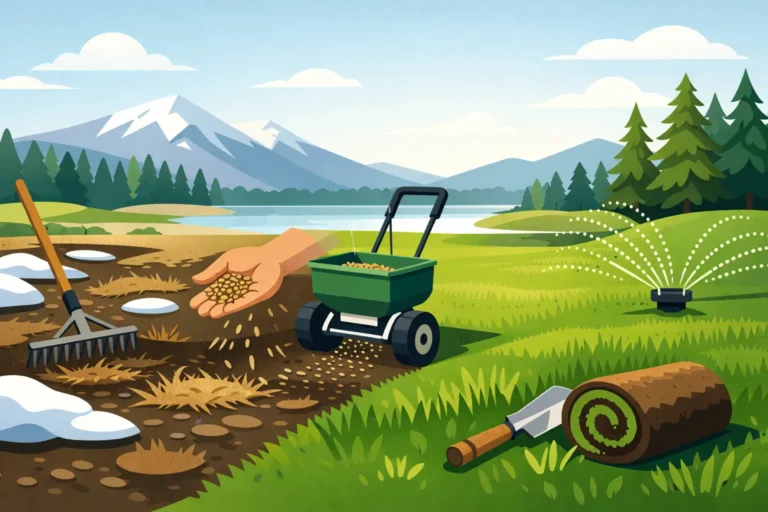
Rake up the debris promptly. Thick piles of pulled material can smother the lawn and block light. If the lawn is thin afterward, overseed with a grass blend suited to Central Oregon conditions, then apply a light topdressing where appropriate. A quality compost-based topdressing can help improve water-holding capacity and soil structure, especially in coarse native soils, but it should be applied lightly enough that grass blades remain visible.
After dethatching, keep the seed zone consistently moist if you overseed. For an established lawn that is not being seeded, return to deep, efficient watering rather than frequent shallow irrigation once the turf begins to recover. Mow with a sharp blade, avoid heavy traffic for a couple of weeks, and do not apply more fertilizer than the lawn can use.
A Practical Fall Renovation Window
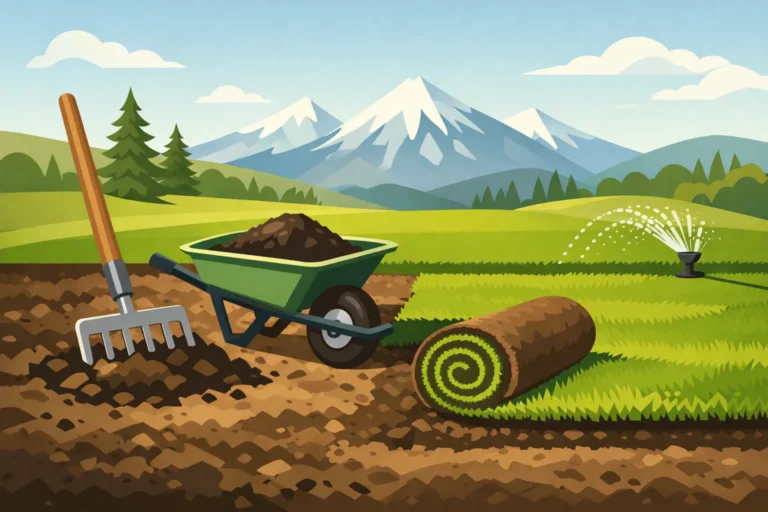
Early fall offers an efficient opportunity to handle several lawn needs at once. If your inspection confirms excessive thatch, dethatch first. Then aerate if compaction is present, overseed thin areas, and topdress lightly to improve the root zone. The sequence gives seed better contact with soil and creates a stronger foundation for next season’s drought tolerance.
The trade-off is commitment. Renovation work is only worthwhile if you can provide the watering and mowing attention that newly germinating grass needs. If water is limited or you will be away during the establishment period, consider addressing only the most urgent issue and saving overseeding for a time when you can support it.
For larger lawns or heavy thatch, the right machine and settings make a major difference. Central Oregon Lawn Center can help homeowners and landscape professionals assess whether a power rake, aerator, topdresser, or a less aggressive approach fits the lawn in front of them.
A healthy High Desert lawn is not one that receives the most work. It is one that receives the right work at the right moment. Check the thatch layer, watch the weather, and give your grass an active growing window to recover. Your lawn will use water more effectively and enter the next dry season with deeper, stronger roots.