Can Grass Seed Survive Frost? Central Oregon Guide
A late-April snow squall can make a freshly seeded Bend lawn feel like a lost cause. Fortunately, the answer to can grass seed survive frost is usually yes – with one major distinction: ungerminated seed is far tougher than a new grass plant that has already emerged.
In Central Oregon, frost is part of the establishment calendar, not an unusual setback. The challenge is choosing a seeding window that gives your lawn enough warmth, moisture, and time to develop roots before temperature swings create stress. With the right seed blend, soil preparation, and irrigation plan, a light frost does not have to mean starting over.
Can Grass Seed Survive Frost Before It Germinates?
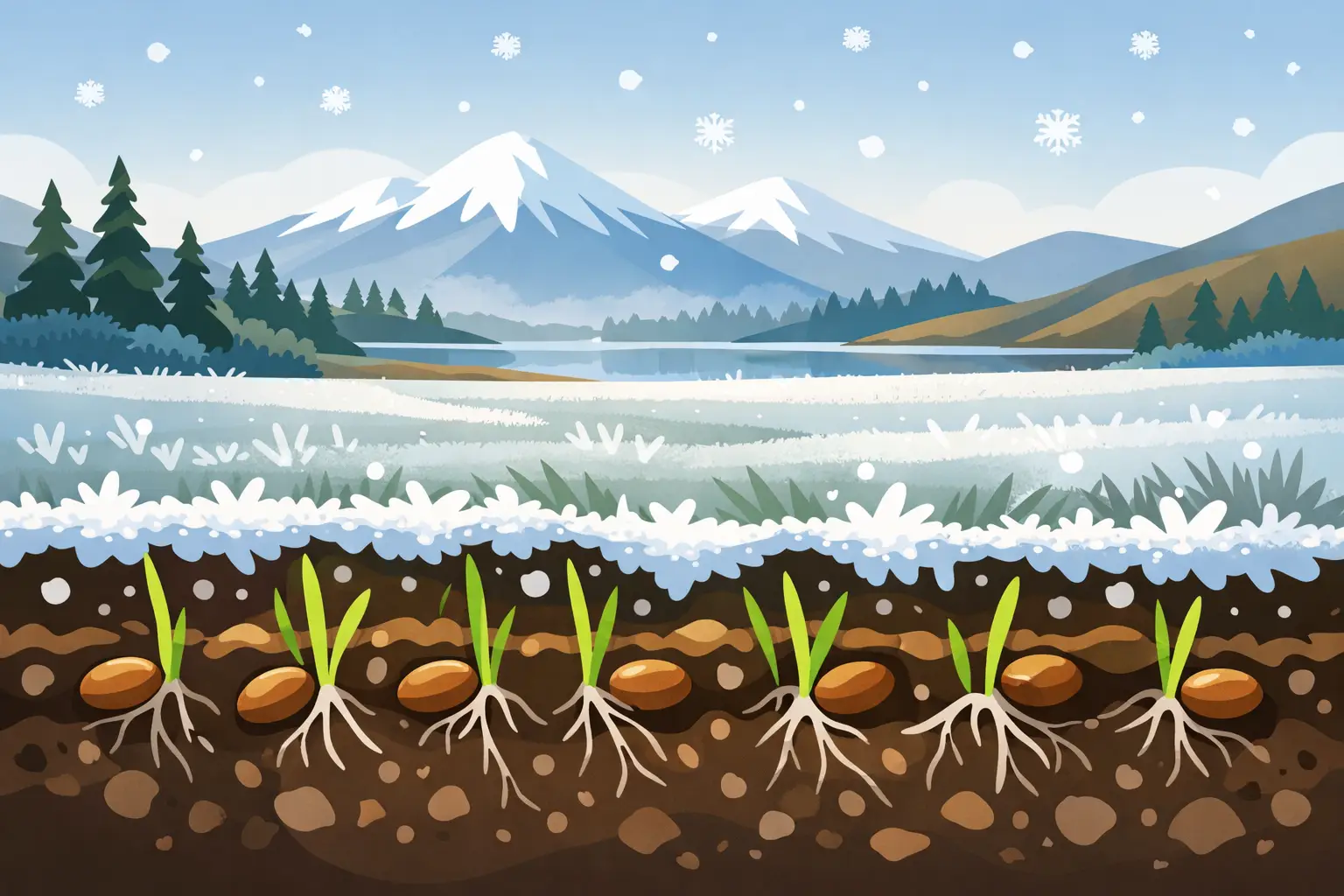
Most quality cool-season grass seed can tolerate frost and even temporary freezing while it is dry and dormant in the soil. Seed does not become vulnerable simply because the air temperature dips below 32 degrees. It begins the germination process only after it absorbs adequate moisture and the soil stays warm enough for the species to grow.
That is reassuring for homeowners who seed just before an unexpected cold night. If the seed has not sprouted, a light frost will rarely ruin it. Germination may pause, however, and the seed may remain in the ground until conditions improve. In the High Desert, that can mean a lawn seeded in early spring takes longer to fill in than expected.
The greater concern is not frost alone. Repeated freeze-thaw cycles can shift loose soil, expose seed, or wash it into low spots during a hard rain or rapid snowmelt. Dry wind can also pull moisture from the seedbed fast, especially in sandy Central Oregon soils. Good seed-to-soil contact and a light protective covering help prevent those losses.
The Risk Changes Once Seedlings Appear
New grass shoots are more sensitive than dormant seed. A mature cool-season lawn can handle a surprising amount of cold, but seedlings have shallow roots, limited energy reserves, and tender leaf tissue. A brief, light frost may only slow growth or slightly discolor the tips. A hard freeze after several warm days can damage emerging plants and leave thin patches.
The timing matters more than the overnight forecast by itself. If grass has only just started to germinate, it may still recover from a cold snap. If it has been actively growing through a warm stretch and temperatures fall well below freezing, the risk rises. Seedlings are also more likely to suffer when the soil is dry going into the freeze.
Do not assume every pale or flattened seedling has died. Wait for a few days of milder weather and inspect the crown, the small growing point at the base of the plant. Green growth returning from the base is a good sign. Areas that remain brown, sparse, or bare may need a light overseeding once soil temperatures stabilize.
Why Central Oregon Seeding Dates Require Patience
Bend-area lawns face a combination that generic lawn calendars often miss: cold nights, warm sunny afternoons, low humidity, sandy or compacted soils, and a short reliable growing season. Air temperatures can look perfect at midday while the soil is still too cold for dependable germination.
For most cool-season lawn seed, soil temperature is the better guide. Many turfgrasses can begin germinating when soil temperatures reach roughly 50 degrees, but they establish more consistently when the soil is closer to 55 to 65 degrees. A week of warm afternoons does not guarantee that the seed zone is ready, particularly in shaded yards, north-facing areas, or sites with heavy clay.
Fall is often the most forgiving time to seed or renovate a Central Oregon lawn because warm soil supports germination while cooler air reduces water loss. That does not make spring seeding a bad option. Spring works well when a lawn needs repair after winter, but it requires more attention to frost forecasts, moisture, and weed competition.
If you must seed early in spring, expect a slower start and build flexibility into the project. It is often wiser to wait one more week for stable soil conditions than to rush seed into cold, wet ground. A slower germination period leaves seed exposed to birds, wind, erosion, and uneven moisture for longer.
How to Protect Grass Seed From a Late Frost
The most effective protection begins before seed goes down. Prepare the top few inches of soil so roots can move beyond the surface instead of struggling in a hard, dry layer. Central Oregon’s native soils often benefit from appropriate compost or soil amendments to improve structure and moisture-holding capacity. Avoid creating a thick, soft layer of amendment that dries out separately from the soil beneath it.
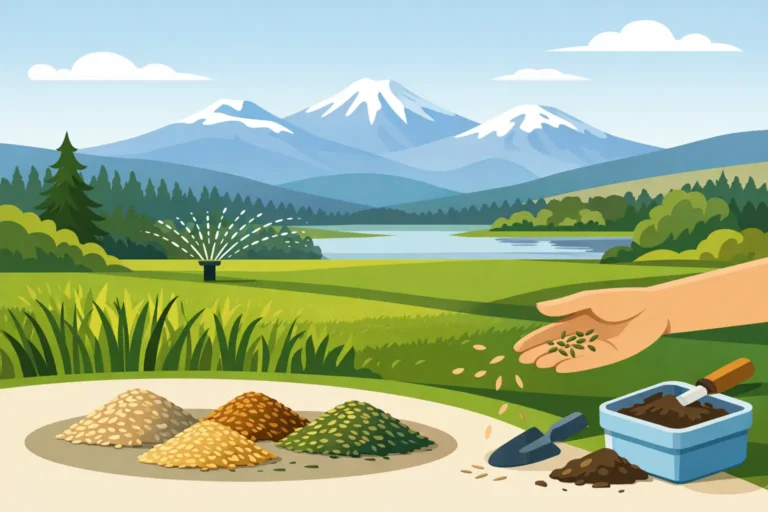
Rake the seed lightly into the surface, then press it in with a roller or the back of a rake. Seed needs contact with soil, not deep burial. Most lawn seed performs best when covered by only about one-quarter inch of soil or a very light layer of clean, weed-free mulch. Heavy straw, thick compost, or deep topdressing can block light and keep seedlings from emerging evenly.
Keep the seedbed consistently damp during germination. In dry High Desert air, that may mean short, frequent irrigation cycles during the day, adjusted for weather and soil type. The goal is damp surface soil, not puddles. Saturated ground before a freeze can heave more easily, while a dry seedbed can leave germinating seed without enough moisture to continue.
When frost is expected, avoid a late-evening heavy watering that leaves the surface soggy. Instead, maintain normal moisture earlier in the day and let the surface settle before nighttime temperatures drop. A lightweight frost blanket can help protect a very small, newly sprouted area, but it is not practical for an entire lawn and should be removed once temperatures rise. Do not use plastic directly on emerging grass, since it can trap heat in the sun and crush tender shoots.
Choose Seed for the Site, Not Just the Season
A frost-tolerant establishment plan starts with grass types suited to cool nights and limited water. Many Central Oregon lawns benefit from blends built around durable cool-season grasses, selected for wear tolerance, drought response, shade level, and intended maintenance. A sunny family lawn, a shaded backyard, and a high-traffic commercial property may need different proportions of grass species.
This is where a generic bag of seed can create problems. Some mixes emphasize quick germination but may not provide the long-term drought tolerance or density your property needs. Others contain annual grasses that green up fast yet do not contribute to a durable permanent lawn. A regionally selected blend may germinate at a more measured pace, but it is better positioned to handle local soil, irrigation, and seasonal stress.
If water conservation is a priority, plan for establishment water separately from long-term irrigation. Every new lawn needs regular moisture while roots are developing. Once the turf is established, a suitable blend, healthy soil, proper mowing height, and efficient irrigation can reduce its ongoing water demand. Cutting establishment water too soon is one of the most common reasons a new lawn fails after it appears to be off to a good start.
What to Do After a Frost Hits Your New Lawn
Resist the urge to walk on frosted grass or rake it aggressively the morning after a cold night. Frozen blades are brittle, and traffic can cause additional damage. Let the lawn thaw naturally, then check the surface for exposed seed, erosion channels, or crusted soil.
If a few bare spots develop, lightly loosen the surface, add seed, press it into place, and return to careful watering. Do not apply a heavy dose of fertilizer to force a frost-stressed lawn to recover. New seedlings need balanced nutrition, but excess fertilizer can burn roots or encourage weak, overly fast top growth. A soil-informed, environmentally responsible fertility plan is more useful than a quick fix.
For larger thin areas, it may be worth waiting until a more reliable seeding window rather than repeatedly reseeding through cold nights. That is especially true if the underlying issue is poor soil preparation, uneven irrigation coverage, or shade. Correcting the cause gives the next round of seed a much better chance.
A local forecast tells you whether frost is possible. Your soil, exposure, irrigation setup, and seed choice tell you how much it matters. If you are planning a spring repair or a full renovation, Central Oregon Lawn Center can help you match a seed blend and preparation plan to the way your property actually grows – so the next cold morning is a manageable detail, not the end of the project.