
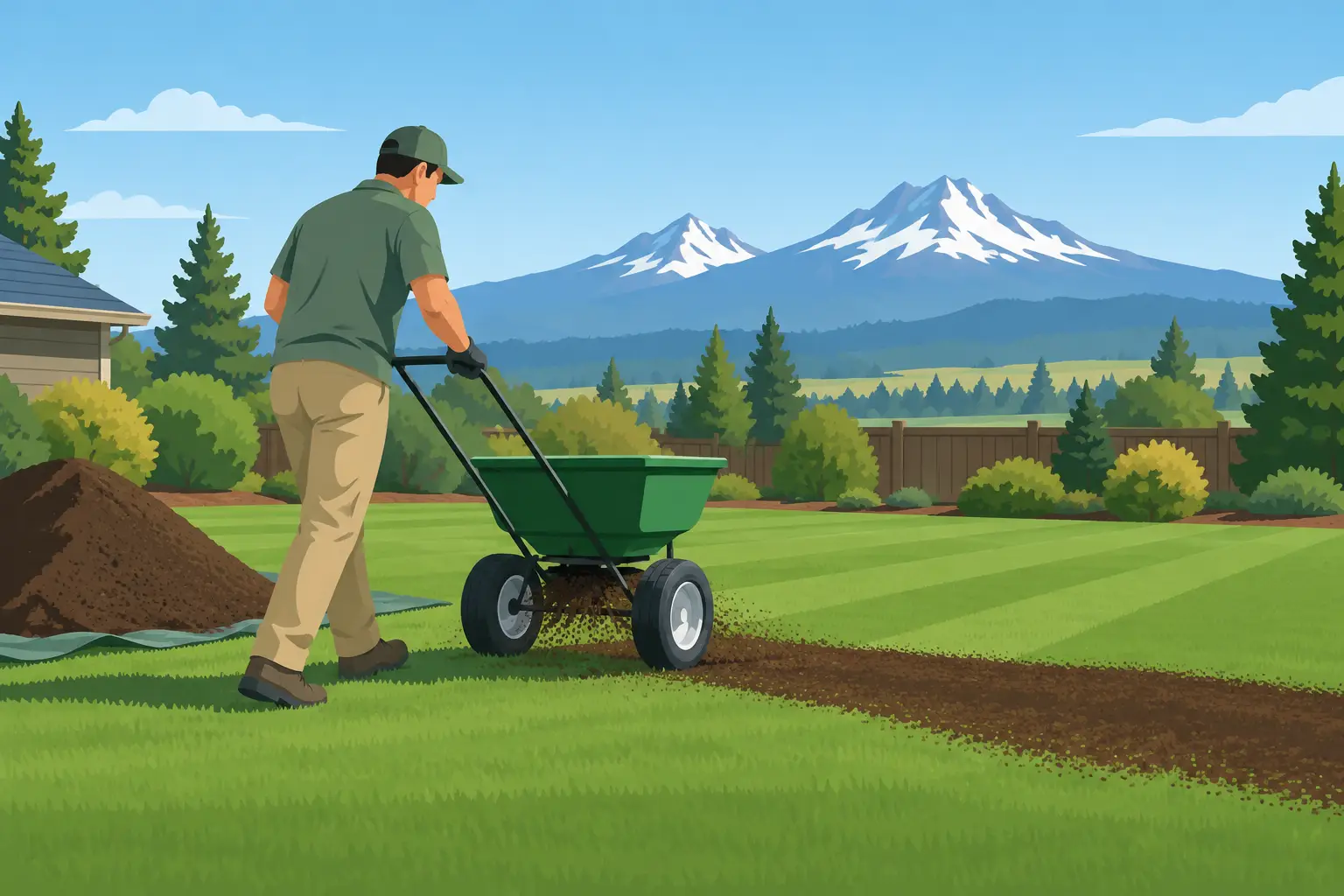
Turf Topdressing for Central Oregon Lawns
A Bend lawn can look thin, dry, and tired even when it is getting regular irrigation. The reason is often below the grass blades: compacted ground, low organic matter, and sandy High Desert soil that lets water and nutrients move through too quickly. Turf topdressing is one of the most practical ways to gradually correct those conditions without tearing out an established lawn.
Done properly, topdressing adds a thin layer of soil-building material across the turf surface. It helps smooth uneven ground, improve the root zone, support seed germination, and give your lawn a better chance of holding moisture through Central Oregon’s hot, dry stretches. It is not a one-week fix, but it is one of the most effective long-term improvements a homeowner or landscape professional can make.
What Turf Topdressing Actually Does
Topdressing means spreading a shallow layer of suitable material over an existing lawn, usually about 1/8 to 1/4 inch at a time. The grass should remain visible after application. A layer that is too deep can smother turf, block sunlight, and create more problems than it solves.
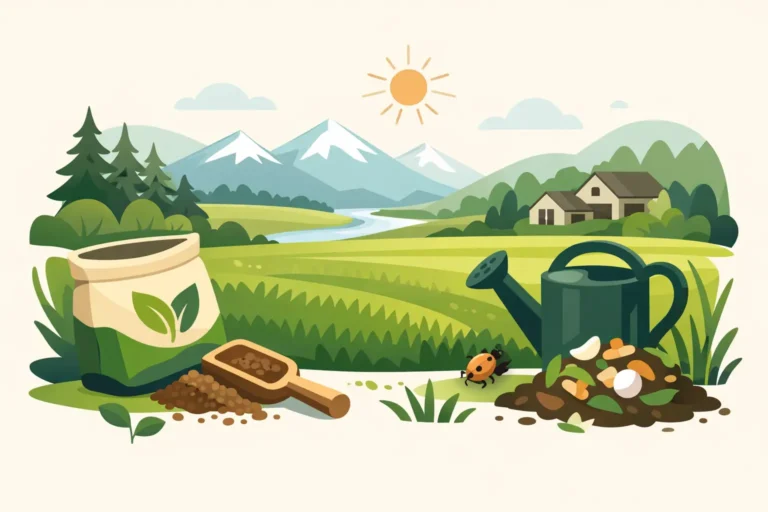
In Central Oregon, the biggest benefit is better soil structure. Native soils often contain plenty of sand or coarse material, which drains quickly but may not retain enough water or nutrients for dense, resilient turf. Quality compost-based topdressing introduces organic matter that improves moisture-holding capacity while supporting the beneficial soil biology that healthy roots depend on.
Topdressing also works its way into small low spots over time. That can make mowing easier, reduce scalp marks, and create a more even surface for play, pets, and outdoor gatherings. On lawns with heavy foot traffic, it can help restore the growing environment after compaction has limited root development.
The Right Material Depends on the Lawn
There is no single topdressing material that fits every property. The best choice depends on your existing soil, drainage, lawn goals, and whether you are also overseeding or repairing uneven areas.
For many Central Oregon lawns, screened compost or a compost-forward topdressing blend is the best starting point. It adds organic matter to sandy soil and helps the lawn use irrigation more efficiently. The material should be screened finely enough to spread evenly through the grass rather than sitting in clumps on the surface.
Sand can be useful when the primary goal is leveling a lawn or maintaining a sand-based sports surface. However, adding sand to already sandy native soil will not do much to improve water retention. It can also create an inconsistent root zone if it is applied without a clear plan. Soil is not improved simply by adding more of the material already causing the challenge.
Blended materials can offer a middle ground. A properly selected blend may provide the smoothing benefits of sand along with compost for soil improvement. The right ratio depends on site conditions, so it is worth getting local guidance before ordering a large volume of material.
Avoid using heavy, fine-textured topsoil straight from a pile. It can form a crust, drain poorly, and introduce weed seeds or debris. Fresh manure and unfinished compost are also poor choices for turf because they can burn grass, smell unpleasant, or continue decomposing unevenly on the lawn.
When to Topdress in Bend and Central Oregon
Timing matters because grass needs enough active growth to recover from the process. Early fall is often an excellent window for turf topdressing in Central Oregon. The soil is still warm, daytime heat has eased, and cool-season grass has time to root before winter.
Late spring can also work well once the lawn is actively growing and the risk of hard freezes has passed. This is especially helpful if winter has exposed low spots, compacted high-traffic areas, or damaged turf along snow-storage zones.
Mid-summer topdressing is possible, but it requires more attention to irrigation. A lawn already under heat or drought stress should not be pushed with aggressive renovation work. If water restrictions are in place or the turf is struggling to stay green, wait for cooler conditions rather than asking it to recover during the most demanding part of the season.
For lawns that need a full reset, topdressing is especially valuable after core aeration and before overseeding. Aeration opens channels in compacted soil, while the topdressing helps fill those openings with better material. Seed then has improved contact with the soil and a more favorable place to establish.
How to Apply Topdressing Without Smothering Grass
The process is straightforward, but careful preparation makes the difference between a clean result and a lawn covered in piles of material. Start by mowing the grass slightly shorter than usual, without scalping it. Remove excess clippings and leaves so the topdressing can reach the soil surface.
If compaction is a problem, core aerate before spreading material. This is particularly worthwhile in lawns with children, dogs, frequent entertaining, or equipment traffic. Water the lawn lightly beforehand if the soil is extremely dry, but avoid working on saturated ground.
Spread the material in small piles across the lawn, then distribute it with a shovel, rake, leveling lute, or topdresser. For larger properties and professional jobs, a rental topdresser saves considerable time and delivers a more consistent application. The goal is a light, even layer, not a visible blanket of soil.
Work the material down through the grass canopy with the back of a rake or a leveling tool. Grass blades should remain exposed. If you cannot see much green after spreading, the application is too heavy and should be redistributed.
Water gently after application to settle the material into the turf. If you are overseeding, spread seed after aeration and before or after topdressing based on the equipment and material being used. In most cases, a very light topdressing over seed helps protect it from drying out while still allowing light to reach emerging seedlings.
Pair Topdressing With Water-Wise Lawn Care
Topdressing improves the soil, but it works best as part of a broader lawn-care plan. A lawn with shallow roots, poor irrigation coverage, or an unsuitable grass variety will still struggle during dry weather.
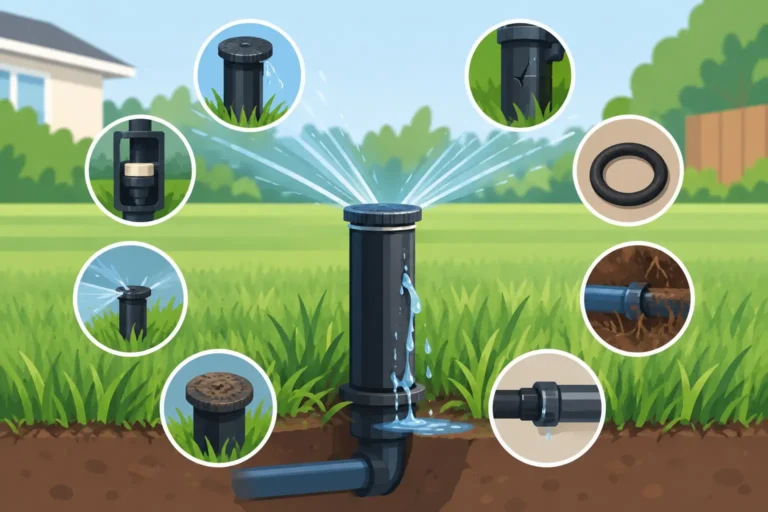
Check sprinkler coverage before assuming the lawn needs more water. Dry patches are often caused by uneven distribution, clogged nozzles, or heads that do not overlap properly. A healthier soil profile can help the lawn make better use of irrigation, but it cannot compensate for areas that receive little or no water.
Fertilizer choices matter too. Slow-release or organic-based nutrition supports steadier growth and reduces the risk of forcing weak, thirsty top growth. In a short growing season, the goal is not constant lushness at any cost. The goal is durable turf with roots deep enough to handle summer heat and winter stress.
Mowing high also supports the work you put into the soil. Taller grass shades the surface, reduces evaporation, and helps suppress weeds. Removing too much leaf blade at once can stress turf just as it is trying to recover from aeration, seeding, or topdressing.
Common Topdressing Mistakes to Avoid
The most common mistake is applying too much material at one time. A lawn can be improved gradually with repeated light applications, while one heavy application can bury crowns and leave thin, patchy turf. Patience is usually less expensive than repairing a smothered lawn.
Another mistake is treating every lawn like a leveling project. If the issue is poor water retention or weak root growth, compost-rich material is generally more useful than straight sand. If the problem is significant grade changes, drainage issues, or large depressions, more extensive site correction may be needed before a standard topdressing application.
Finally, do not topdress simply because the calendar says it is time. Look at the lawn first. A dense, healthy lawn may need only occasional light applications. A compacted or newly renovated lawn may benefit from a more intentional plan involving aeration, appropriate seed, soil amendments, and irrigation adjustments.
At Central Oregon Lawn Center, homeowners and landscape professionals can get help selecting a topdressing material that matches local soil conditions, along with equipment rentals for larger projects. Bring in a soil sample, a few photos of the lawn, and an honest description of how it is watered. That small amount of planning can turn a load of topdressing into healthier turf that needs less from you when summer gets dry.