
Power Rake Versus Dethatcher for Bend Lawns
A thin, patchy lawn in Bend does not automatically need aggressive equipment. In the power rake versus dethatcher decision, the right choice depends on what is actually holding your turf back: a shallow layer of dead material, compacted sandy soil, weak grass coverage, irrigation problems, or a combination of all four. Choosing the gentler tool when it will do the job can preserve established grass and reduce recovery time. Choosing the more aggressive tool when renovation is needed can give new seed the opening it needs to take hold.
Central Oregon lawns face a different set of conditions than lawns in wetter parts of the Northwest. Low humidity, short growing seasons, summer water limits, and sandy or low-organic-matter soils can leave turf stressed well before thatch becomes the main concern. Start with a clear diagnosis, then match the equipment to the work.
What a Dethatcher Does
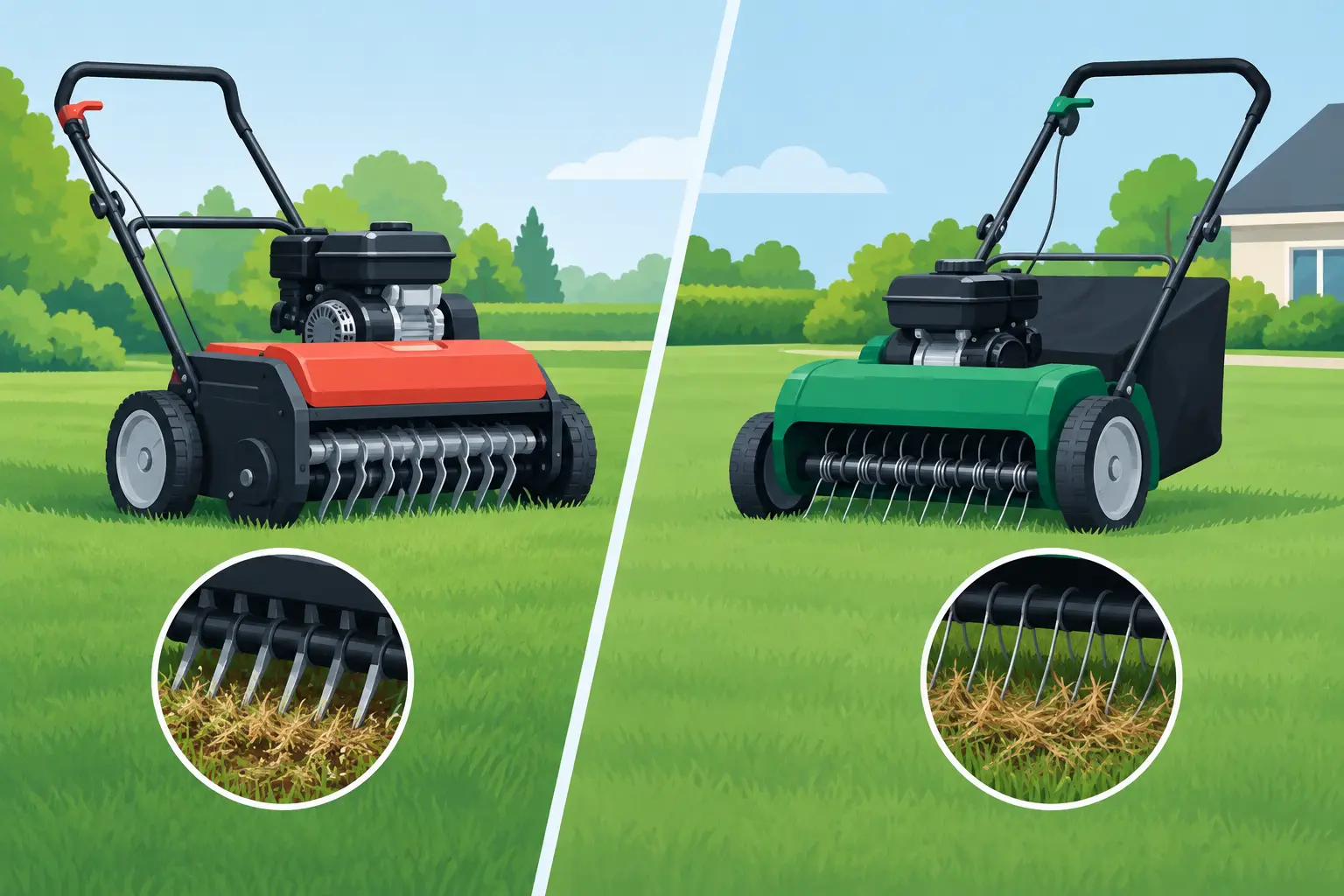
A dethatcher uses flexible spring tines to comb through the lawn surface. The tines pull up loose dead grass, old clippings, and light thatch while causing relatively limited disturbance to the living turf and soil below. It is a maintenance tool, not a full renovation machine.
Thatch is the tightly woven layer of living and dead stems, roots, and organic debris between green grass blades and the soil. A little is normal. In fact, a thin layer can cushion the lawn and help moderate soil temperatures. Trouble starts when the layer becomes dense enough to block water, fertilizer, and air from reaching the root zone.
For a lawn with a modest buildup of surface debris, a dethatcher is usually the better fit. You may see a surprising amount of brown material come up, but healthy crowns and most of the soil should remain undisturbed. The lawn generally recovers faster than it would after power raking, especially when irrigation and nutrition are managed carefully afterward.
Dethatching is also a sensible option when a lawn is reasonably full but feels spongy underfoot, dries unevenly, or has a visible mat at the base of the grass. Before renting equipment, part the grass in a few spots and measure the layer above the soil. If it is thin and loose, a dethatcher may be unnecessary. Raking, mowing correctly, and improving soil biology with appropriate organic inputs may be enough.
What a Power Rake Does
A power rake, often called a vertical mower, uses rotating blades or flails that cut vertically into the turf. It removes thatch, but it also slices through runners, crowns, and shallow roots. That extra aggression is exactly why a power rake can be the right tool for lawn renovation – and why it should not be used casually.
Power raking opens narrow channels in the soil surface and reduces dense, matted turf. Those channels create better seed-to-soil contact, which makes the machine especially useful before overseeding a thin, tired lawn. It can also help remove heavy thatch that a spring-tine dethatcher simply skims over.
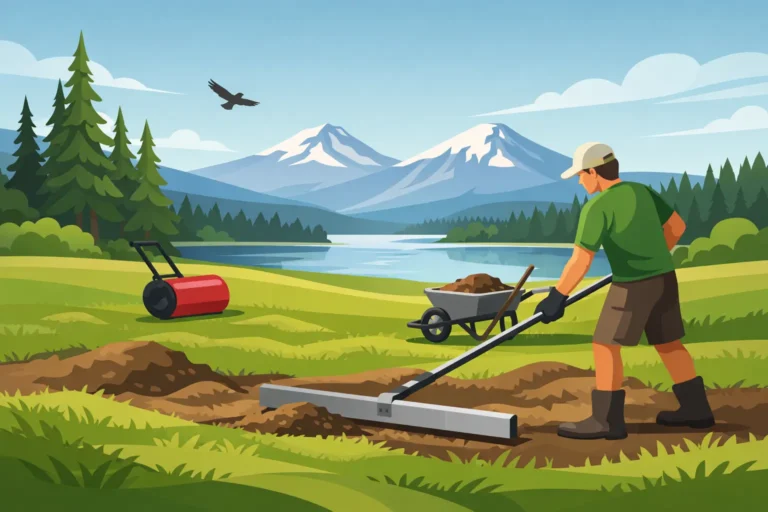
The trade-off is visible stress. A properly power-raked lawn can look rough and sparse immediately afterward. That is normal, but it needs a recovery plan: remove the debris, add seed where coverage is poor, keep the seedbed consistently moist during germination, and avoid heavy traffic while new grass establishes. In Central Oregon, recovery can be slow if the work is done during heat, drought stress, or late in the fall when turf has little growing time left.
A power rake is not a fix for every brown or bare lawn. It will not correct poor sprinkler coverage, shallow watering, soil compaction, grub damage, pet damage, or a grass variety that is poorly matched to the site. Used on already stressed turf, it can make a manageable problem worse.
Power Rake Versus Dethatcher: The Practical Difference
The simplest distinction is this: a dethatcher combs, while a power rake cuts. A dethatcher is generally better for light thatch removal and seasonal cleanup. A power rake is better for substantial thatch, thinning turf, and overseeding projects where you want to actively renovate the lawn.
Think about your goal before choosing a machine. If the lawn is mostly healthy and you want to improve airflow at the surface, choose the least aggressive option. If the lawn has widespread thin areas, thick matting, or an upcoming reseeding project, power raking may be worth the added disruption.
Equipment setup matters as much as the machine itself. A power rake set too deep can tear up viable grass, expose excessive soil, and bring weed seeds to the surface. For established turf, start shallow and make a single pass. You can always adjust slightly if needed, but you cannot put removed crowns back into the lawn. With a dethatcher, use enough pressure to lift loose material without gouging dry, sandy soil.
When Central Oregon Lawns Need Neither Tool
Many High Desert lawns are struggling because their roots are not getting what they need, not because they have too much thatch. Sandy soil drains quickly and often lacks the organic matter that helps retain moisture and nutrients. Compaction can also develop in high-traffic areas, even in lighter soils. In those cases, core aeration, topdressing, improved irrigation scheduling, and a region-appropriate fertilizer program may produce better results than either dethatching or power raking.
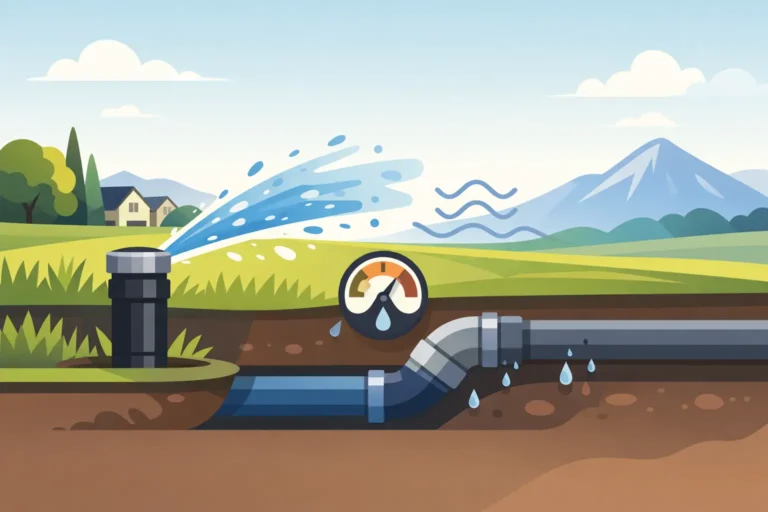
Inspect irrigation before disturbing the lawn. Dry strips along sidewalks, weak zones between sprinkler heads, and overly wet pockets can all create thinning that looks like a thatch problem from a distance. Water deeply enough to encourage roots to grow down, then allow the surface to dry appropriately between cycles. Frequent, shallow watering creates weaker roots and does not solve poor soil structure.
Mowing practices matter, too. Avoid removing more than one-third of the grass blade at a time, particularly during warm, dry weather. Leaving grass a little taller during summer helps shade the soil and reduces water loss. Grass clippings do not usually cause damaging thatch when the lawn is mowed regularly and the clippings are short enough to filter down.
Best Timing for Dethatching or Power Raking
For cool-season turf common in Bend and surrounding communities, late spring after active green-up or early fall is typically the best window. The grass needs enough active growth to recover, while temperatures are moderate enough to limit stress. Early fall is often ideal for a power-rake-and-overseed project because weed pressure is lower and cooler days support establishment.
Avoid working a lawn when it is drought-stressed, frozen, excessively wet, or newly seeded. Do not power rake just before a hot stretch unless you can provide the consistent irrigation needed for recovery. A dethatcher is more forgiving, but timing still matters. Turf that is actively growing will heal faster and respond better to follow-up feeding and watering.
After either service, collect the debris rather than leaving heavy piles on the lawn. Then assess what the exposed surface tells you. If you see thin coverage, overseed with a grass blend suited to Central Oregon conditions. If soil appears hard and sealed, consider core aeration. If the lawn has weak color but good density, a targeted soil amendment or fertilizer approach may be the next step.
Renting the Right Tool for the Job
For homeowners, renting can make sense when the lawn is too large for a hand rake but does not justify owning specialty equipment. For landscapers and grounds crews, the right machine and depth setting can save time while protecting the client’s turf. The key is to avoid treating every lawn the same way.
Before renting, know the lawn size, grass condition, irrigation access, and whether you plan to overseed. Bring photos if you are unsure whether the problem is thatch, compaction, drought stress, or poor establishment. At Central Oregon Lawn Center, local guidance can help match the equipment, seed, amendments, and recovery steps to the conditions in your yard or on your job site.
A healthy High Desert lawn is built in layers: sound soil, efficient irrigation, suitable grass, and timely maintenance. Use a dethatcher when the lawn needs a light reset. Use a power rake when the lawn needs renovation and you are ready to support its recovery. The best result is not the most aggressive treatment – it is a lawn with stronger roots, better coverage, and a realistic water budget for Central Oregon.