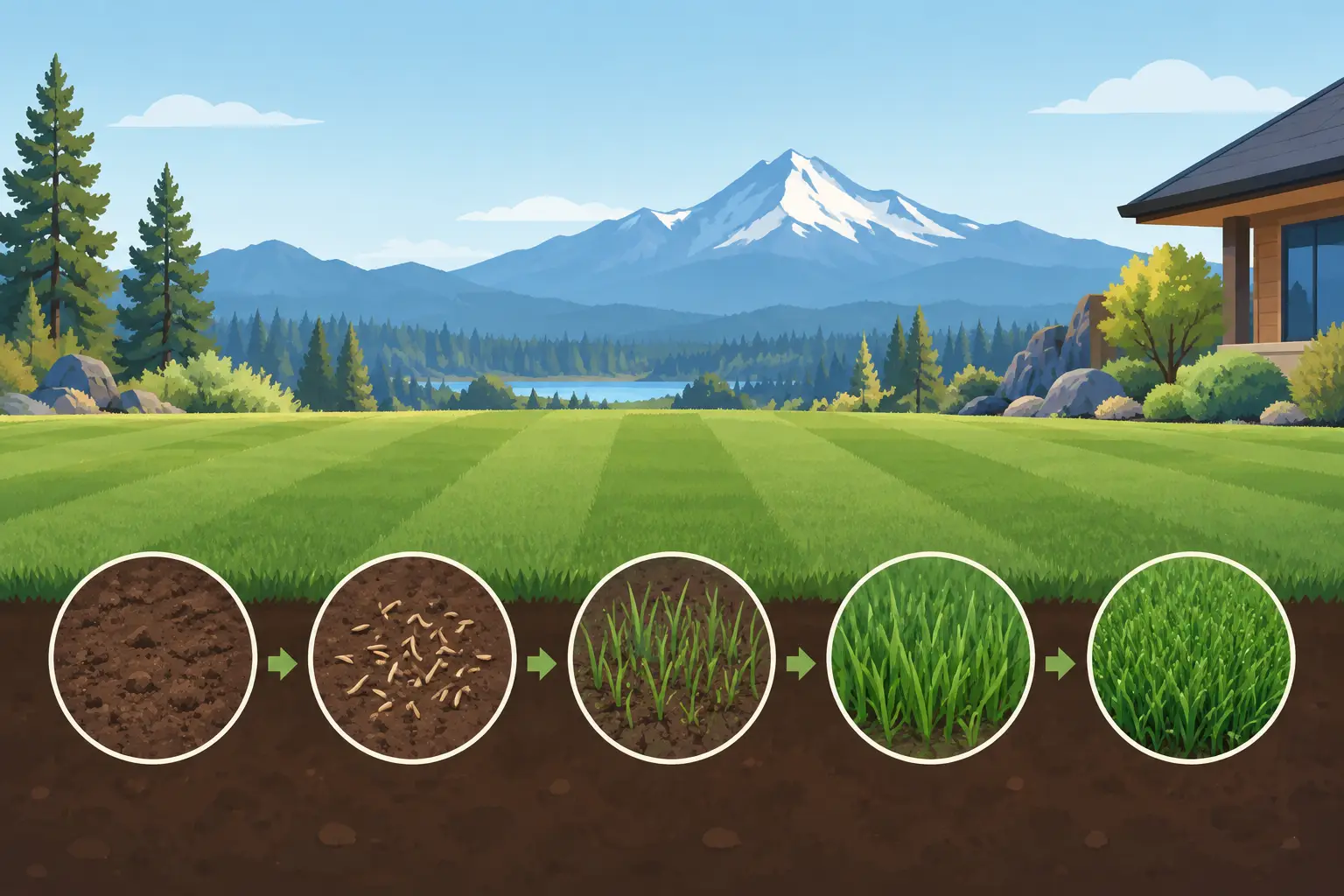
Lawn Establishment Timeline Guide for Central Oregon
A new lawn in Central Oregon does not follow the same calendar as a lawn in the Willamette Valley or the Midwest. This lawn establishment timeline guide is built for the High Desert, where sandy soil, dry air, cool nights, irrigation limits, and a short growing window all affect how quickly grass becomes durable turf. The goal is not simply to see green blades. It is to build roots deep enough to handle Bend summers, winter dormancy, kids, pets, and everyday use.
A seeded lawn commonly needs one full growing season before it should be treated like established turf. Sod looks finished sooner, but it still needs time to root into the soil below. Starting with the right preparation and adjusting care as conditions change will save water, reduce rework, and give your lawn a much better chance of lasting.
Before Planting: Start 2 to 4 Weeks Ahead
Most lawn problems begin below the surface. Central Oregon soils are often sandy, rocky, low in organic matter, and quick to drain. That means water and nutrients can move past shallow roots before the grass has a chance to use them. A soil test is the best starting point because it shows whether you need to address pH, organic matter, or nutrient deficiencies rather than guessing with fertilizer.
Remove construction debris, weeds, old turf, and large rocks before grading. Aim for a smooth surface that drains away from foundations while remaining gentle enough to mow. Avoid creating steep low spots that collect runoff or dry mounds that irrigation cannot reach evenly.
Work compost and appropriate soil amendments into the upper few inches where new roots will grow. The goal is improved moisture-holding capacity and soil structure, not a deep layer of loose material that settles later. For renovation projects, a power rake, sod cutter, tiller, or aerator can make a difficult reset far more manageable. Equipment rental is often a practical option when a rake and shovel will not prepare the site evenly.
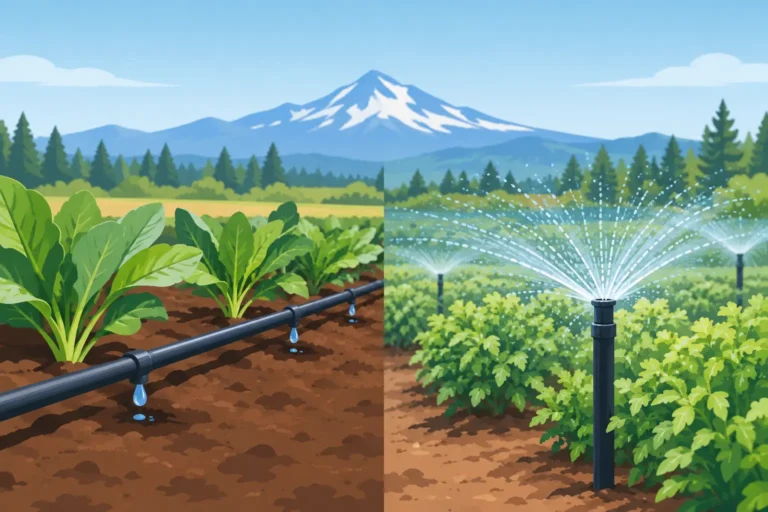
Install or inspect irrigation before seed or sod goes down. Check that every zone provides even coverage and that heads are not blocked by soil, plants, or hardscape. Water-wise lawns depend on precise irrigation, especially during establishment when young roots cannot reach deep moisture.
The Best Planting Window in Bend
For most Central Oregon lawns, late summer into early fall is the preferred seeding window. Warm soil helps germination, while cooler air reduces stress and evaporation. Weed pressure is often lower than in spring, and the lawn has time to develop roots before summer heat arrives.
Spring seeding can work, particularly when a project cannot wait, but it comes with trade-offs. Spring weather can swing from cold to warm quickly, annual weeds are more active, and new grass has less time to mature before dry summer conditions. If you seed in spring, plan on more careful watering and lighter use through the first summer.
Sod can be installed through more of the growing season as long as the ground is workable and irrigation is ready. It is not a shortcut around preparation. Roots still need good soil contact, consistent moisture, and time. Avoid planting during frozen ground conditions or during a period when you cannot keep the surface adequately watered.
Choose Grass for the Site, Not Just the Label
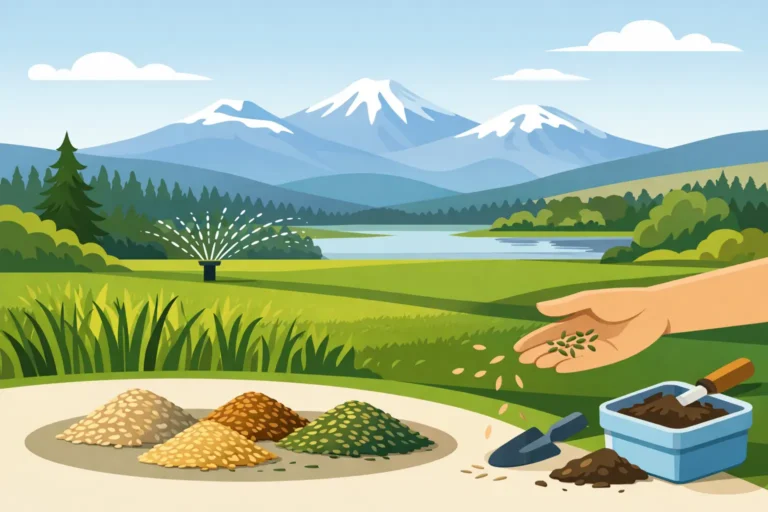
The right seed blend depends on sun exposure, irrigation capacity, traffic, and how polished you want the lawn to look. A blend selected for Central Oregon conditions can provide better drought tolerance and recovery than generic seed chosen for a completely different climate. For a high-use yard, durability matters. For a low-water landscape, deeper rooting and lower input needs may matter more.
Bring photos, measurements, and information about your irrigation system when asking for seed guidance. A lawn that receives filtered shade, reflected heat, or heavy dog traffic may need a different approach than an open front yard with reliable coverage.
Week 0: Seeding or Laying Sod
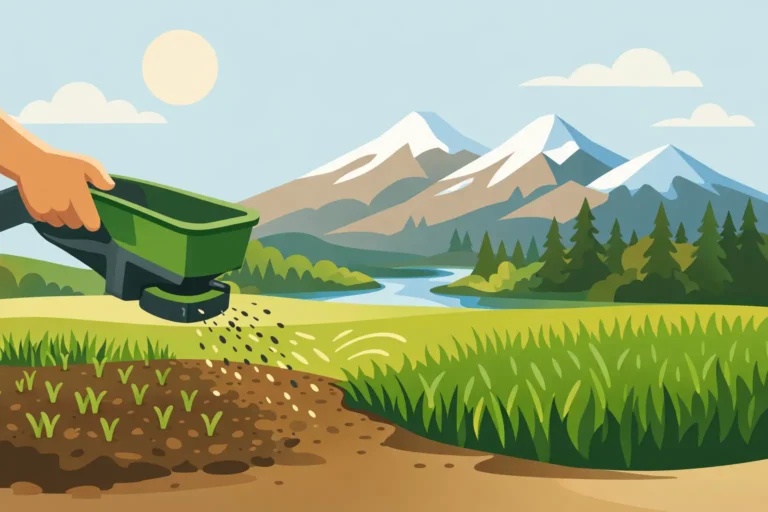
For seed, spread evenly at the recommended rate. Too little seed leaves open ground for weeds. Too much seed creates crowded seedlings that compete for light, water, and nutrients. Lightly rake seed into the surface, then roll or press it for firm seed-to-soil contact. Do not bury it deeply.
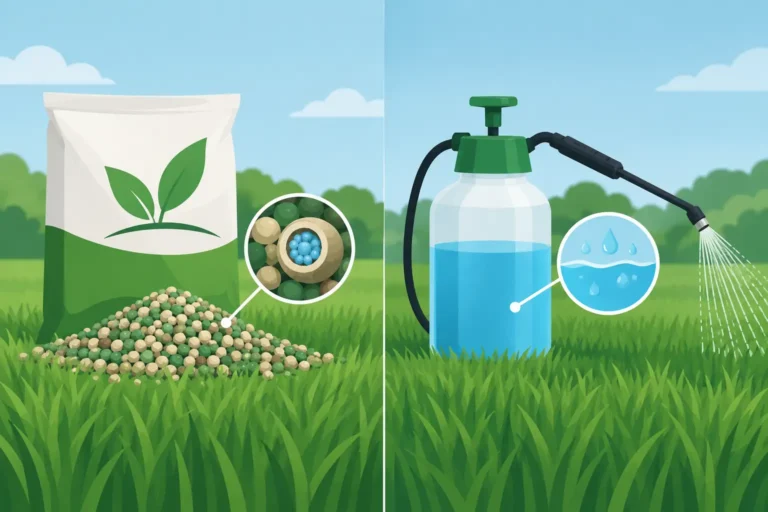
Apply a starter fertilizer only if it fits your soil-test results and establishment plan. Young turf needs accessible nutrition, but more fertilizer is not better. Excess nutrients can encourage weak top growth, waste resources, and create unnecessary runoff risks.
For sod, lay strips tightly in a staggered pattern and avoid stretching pieces to close gaps. Roll the lawn after installation to remove air pockets and help roots meet the soil. Water immediately and thoroughly enough to moisten the sod and the soil underneath it.
Weeks 1 Through 3: Keep the Root Zone Consistently Moist
The first few weeks are about consistency. Seed needs frequent, light irrigation to keep the top layer of soil moist while germination occurs. Depending on heat, wind, soil texture, and sprinkler output, that may mean short watering cycles more than once per day. The surface should not dry out completely, but it should not remain muddy or puddled either.
Central Oregon’s low humidity can dry a seedbed surprisingly fast, even on a cool morning. Check moisture by hand in several areas rather than relying on one sprinkler run time. Corners, slopes, and areas near pavement often need separate attention.
Sod generally requires deeper initial watering than seed because moisture must reach through the sod and into the prepared soil. Lift a corner after a few days. If the soil beneath is dry, adjust irrigation. If it is soggy, reduce run time or frequency. A constantly saturated root zone can slow rooting and invite disease.
Keep foot traffic off the lawn as much as possible. Seedlings are easily disturbed, and sod seams can shift before roots anchor. This is the time to watch for irrigation gaps, not to test the lawn with lawn games or frequent mowing.
Weeks 3 Through 6: Encourage Roots, Then Mow Carefully
Once most seed has germinated and the lawn is filling in, begin shifting away from frequent surface watering. Water less often but allow moisture to reach farther into the soil. This transition encourages roots to follow water downward instead of staying near the surface.
Mow when seeded grass reaches roughly 3 to 4 inches tall, using a sharp blade and removing no more than one-third of the blade length. For sod, wait until the pieces are firmly rooted. A simple tug test helps: if the sod resists lifting, it is beginning to anchor.
Keep mowing height on the taller side in the first season. Taller grass shades the soil, supports stronger roots, and helps conserve moisture. Bagging clippings is usually unnecessary if mowing is frequent enough, since short clippings return organic matter to the lawn.
Some thin areas are normal, especially where irrigation is uneven or soil conditions vary. Address the cause before adding more seed. A bare patch near a driveway may be a coverage issue, while one in a low spot may signal compaction or poor drainage.
Weeks 6 Through 12: Build a Lawn That Can Handle Summer
By this stage, your lawn should be moving from delicate growth toward functional turf. Continue stretching the time between irrigation cycles while watering deeply enough to support roots. Exact schedules depend on your soil and weather. Sandy soil may need water more often than heavier soil, but it should still be managed for depth rather than constant shallow moisture.
Avoid aggressive weed control on young turf unless you know the product is safe at its current stage of growth. Many herbicides have waiting periods after seeding, and a lawn that is still filling in is more sensitive than established turf. Hand-pulling a small number of weeds is often the better short-term choice.
Use the lawn gently at first. Light walking is usually fine once turf is rooted, but repeated play, equipment traffic, or pet wear can thin immature grass quickly. If the lawn was seeded in fall, allow it to settle through winter and reassess density in spring. A light overseeding may be useful, but only after correcting thin-zone irrigation or soil issues.
A Realistic First-Year Lawn Establishment Timeline Guide
A lawn can look green in two to three weeks and still be far from established. Seed germination varies by grass type and temperature, but visible growth is only the opening stage. Expect the first mowing within several weeks, early rooting by the one- to two-month mark, and more dependable turf after a full season of proper mowing, irrigation, and soil care.
Sod creates immediate visual impact, but it also needs several weeks to root and months to develop a mature root system. In both cases, the first year is when better habits matter most. Deep, efficient watering; sensible mowing; soil improvement; and region-appropriate seed do more for long-term lawn performance than chasing a quick cosmetic fix.
When timing, soil, and irrigation all work together, a new lawn becomes more than a green surface. It becomes a healthier part of your landscape that uses water thoughtfully and holds up to the way your household actually lives. For a plan tailored to your yard, Central Oregon Lawn Center can help you match seed, amendments, irrigation supplies, and rental equipment to the conditions outside your door.