
8 Best Low Water Lawn Alternatives for Bend
A thirsty bluegrass lawn can feel like the wrong project by mid-July in Bend. Between sandy soil, intense sun, low humidity, and increasing pressure to use water wisely, many homeowners are looking for the best low water lawn alternatives without giving up a yard that looks cared for and works for everyday life.
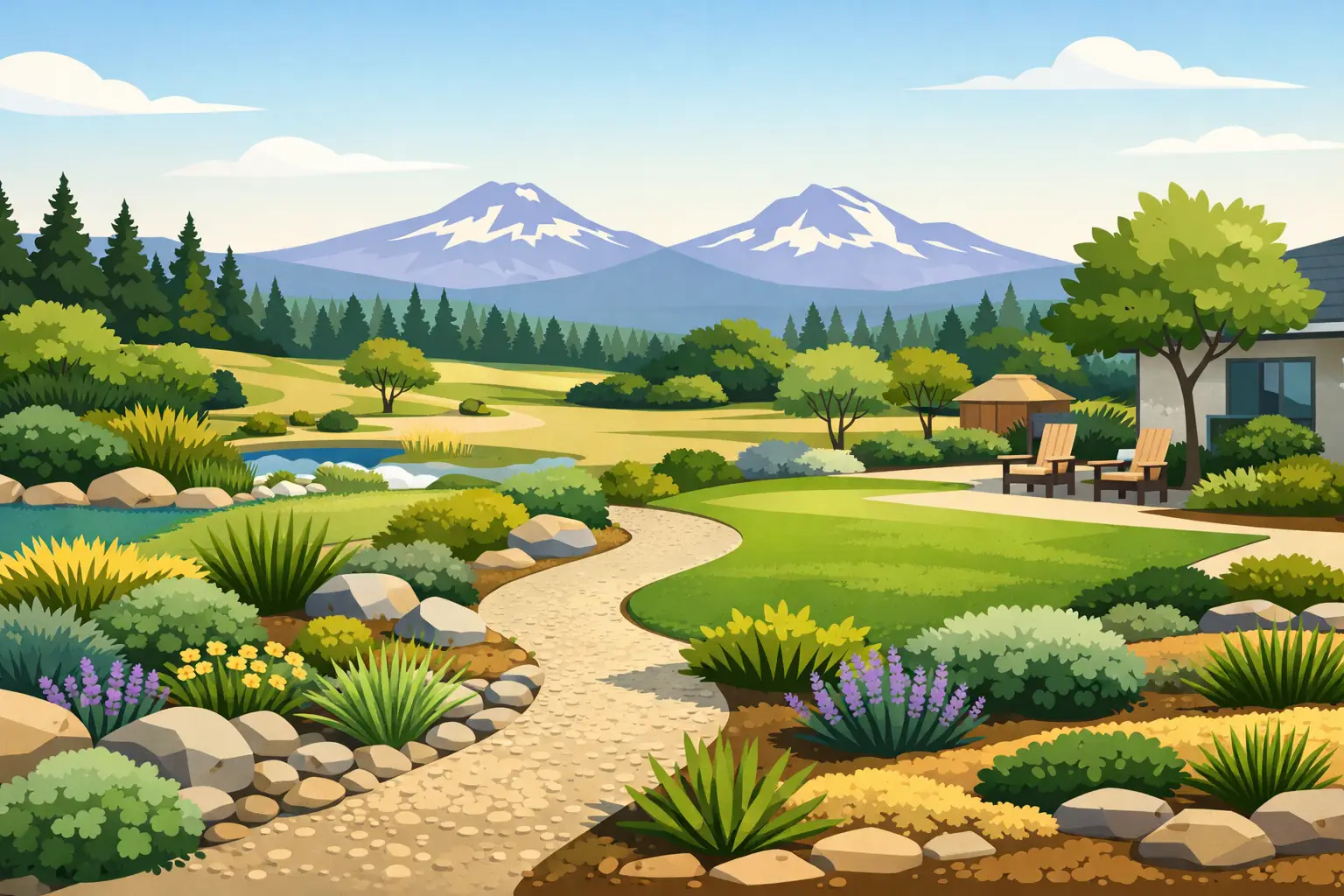
The right answer depends on what your lawn needs to do. A front yard that is mostly viewed from the sidewalk has different needs than a backyard used by kids, dogs, or weekend gatherings. In Central Oregon, the most successful water-wise landscapes usually combine a smaller area of durable turf with lower-water planting, mulch, and usable hardscape around it. That approach respects the High Desert climate instead of fighting it.
What Makes a Lawn Alternative Work in Central Oregon?
A low-water option is not automatically a low-maintenance option, especially during its first season. New seed, plugs, shrubs, and groundcovers all need regular irrigation while roots establish. The long-term savings come after that establishment period, when a well-chosen plant can handle wider gaps between watering than conventional lawn turf.
Cold winters matter, too. Plants that perform well in a hot, dry climate elsewhere may not tolerate Bend’s freeze-thaw cycles, late frosts, or snow cover. Soil is another deciding factor. Many local properties have sandy, low-organic-matter soil that drains quickly and does not hold moisture near the root zone. Improving soil where plants need it, then matching irrigation to each zone, makes more difference than simply choosing a plant labeled drought tolerant.
8 Best Low Water Lawn Alternatives for Bend Yards
1. Drought-Tolerant Turf for Active Areas
For households that still need a true lawn, drought-tolerant turf is often the most practical choice. Fine fescues and regionally adapted turf blends can generally use less water than a conventional Kentucky bluegrass lawn once established, while still providing a green, mowable surface.
This is a strong option for play areas, dog runs, and paths between outdoor spaces. It is not no-water turf. It still needs thoughtful irrigation, particularly through heat and wind, but it can reduce water demand substantially when managed properly. Mow higher, usually around 3 to 4 inches, to shade the soil and help roots stay cooler.
2. Native Bunchgrass Meadow
A native or adapted bunchgrass meadow replaces the uniform look of turf with movement, texture, and seasonal character. Grasses such as blue grama, Idaho fescue, and bluebunch wheatgrass can suit a naturalized area when chosen for the site and planted correctly.
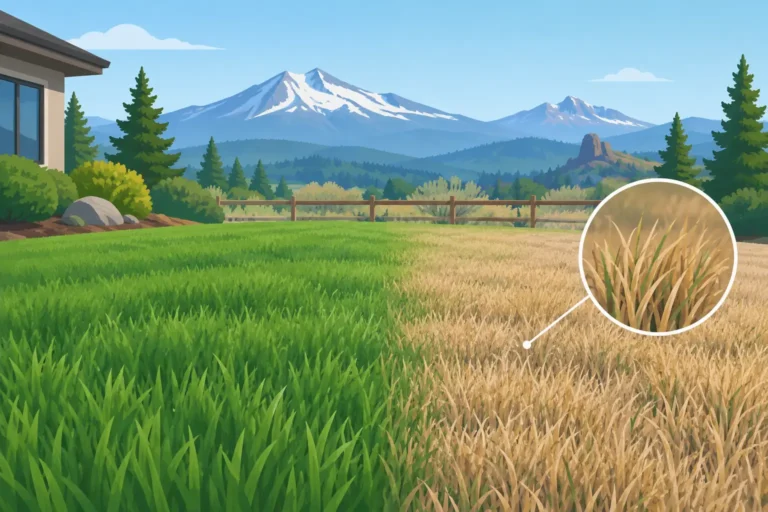
This is not a lawn for soccer or frequent foot traffic. It is better along property edges, in wide front-yard beds, or on slopes where a traditional lawn would be difficult to maintain. A meadow may look dormant or straw-colored during part of the year, which is normal in a High Desert landscape. If year-round green is the priority, this may not be the right fit.
3. Low-Water Wildflower and Grass Mixes
For homeowners who want pollinator value along with lower irrigation needs, a mix of drought-adapted grasses and flowering perennials can be a useful alternative. Western yarrow, penstemon, blanketflower, and other locally appropriate selections can add color while grasses give the planting structure.
The key is avoiding the expectation of instant meadow results. These areas need site preparation, weed control, and patience. In the first year, they can look sparse as roots develop. Once established, they can be a beautiful, lower-input part of the landscape, but they still need occasional maintenance and selective weeding.
4. Mulched Planting Beds With Drought-Tolerant Perennials
A well-designed planting bed can replace a large stretch of lawn while giving the yard more color and definition. Grouping drought-tolerant perennials, ornamental grasses, and shrubs by water needs allows you to irrigate efficiently instead of watering an entire lawn for a few plants.
Mulch is a major part of this strategy. A layer of organic mulch helps reduce surface evaporation, moderates soil temperature, and improves soil as it breaks down. Keep it a few inches away from plant stems and tree trunks. In windy Central Oregon sites, a heavier mulch or decorative rock may stay in place better, though rock can reflect heat and make planting pockets warmer.
5. Creeping Groundcovers for Small, Quiet Spaces
Low-growing groundcovers can soften a path, fill spaces between shrubs, or replace lawn in areas with little foot traffic. Depending on sun exposure and irrigation access, options may include creeping thyme, sedum varieties, or hardy ice plant selections.
These plants are best used in smaller zones rather than across an entire active backyard. They do not tolerate regular running, pet traffic, or heavy play as well as turf. They also need careful spacing, weed management, and establishment watering. Used where they fit, though, they can create a finished look with far less mowing than grass.
6. Gravel, Stone, and Defined Gathering Areas
Not every open part of a yard needs to be planted. A patio, decomposed granite seating area, gravel path, or stone terrace can eliminate irrigation in a functional zone while making the landscape more usable. This can be especially effective near a deck, fire pit, shed, or side yard where grass often struggles.
Preparation matters. Proper grading and base material prevent shifting, puddling, and weed problems later. Consider summer heat before covering a large exposed area with dark rock or artificial surfaces. Light-colored stone can still reflect heat, and excessive hardscape can make a yard less comfortable in July. Pairing hardscape with shade trees and planted borders usually creates a better balance.
7. A Smaller Lawn With Smarter Irrigation
Sometimes the best alternative is not removing lawn entirely. It is reducing it to the part of the property where it earns its water use. A compact, well-maintained turf area beside a patio or in a play zone can be more useful than a large lawn that is constantly stressed.
Use separate irrigation zones for turf, shrubs, and low-water beds. Check sprinkler coverage, repair leaks, and avoid watering during the hottest or windiest part of the day. For established turf, deeper and less frequent watering generally encourages stronger roots than frequent shallow cycles. The exact schedule depends on soil, weather, slope, and sprinkler output, so a quick catch-can test can reveal whether one area is receiving far more water than another.
8. Food Gardens and Productive Beds
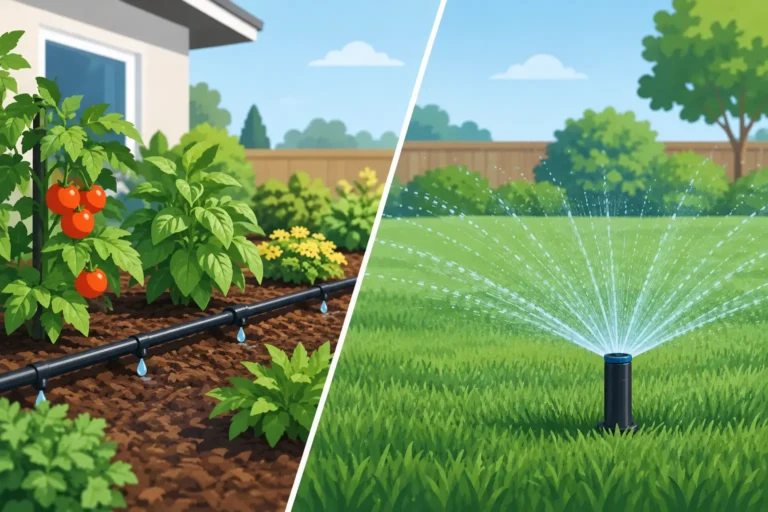
A portion of former lawn can become raised beds, berry patches, or an herb garden. These areas do require water, but they turn irrigation into food and can be managed efficiently with drip irrigation, mulch, and well-amended soil.
This option works best close to the house, where it is easy to harvest and monitor. It is not a low-effort substitute for grass, but for gardeners, it can be a more rewarding use of a sunny lawn area. Keep edible beds separate from broad turf sprinkler zones so plants receive water at the root zone rather than through overspray.
Start With Soil and a Plan, Not Just Plant Choices
Before removing turf, decide which parts of the yard need to handle traffic, which areas are mostly decorative, and where water naturally drains. Then address the soil. Compost and appropriate soil amendments can improve moisture-holding capacity in sandy ground, but more is not always better. Different plants need different conditions, and overly rich soil can be a poor match for some native and drought-adapted species.
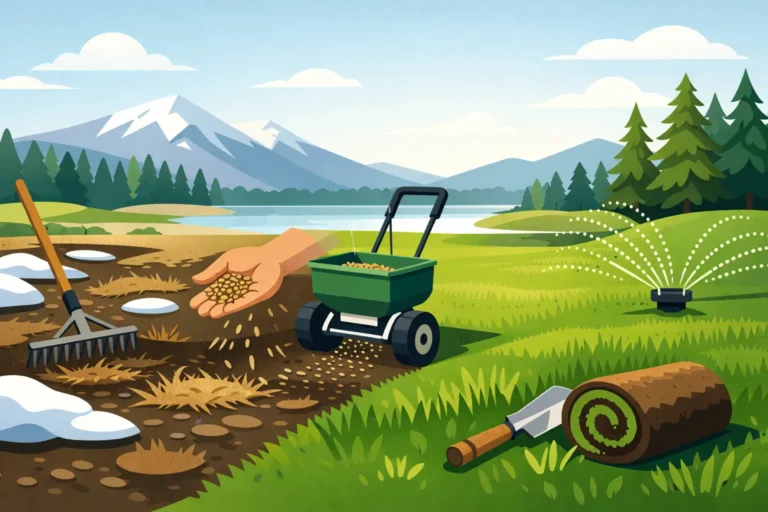
Lawn removal methods also depend on the project. A sod cutter can speed up a full conversion, while a power rake may be useful when renovating thin turf. For smaller areas, sheet mulching can suppress grass over time, although it requires planning and may not be suitable where immediate planting is needed. Equipment and material choices should fit the size of the project, the existing turf, and the season.
Choose a Yard That Matches How You Live
The best low water lawn alternatives are not about making every yard look the same. They are about putting green turf where it is genuinely useful, choosing plants that can live with Central Oregon conditions, and building healthier soil beneath them. If you are planning a renovation, Central Oregon Lawn Center can help match seed, amendments, irrigation supplies, and rental equipment to the way you actually use your property.