Best Grass for Sandy Soil in Central Oregon
If your lawn dries out fast, looks thin by midsummer, or never seems to hold color for long, sandy soil is usually part of the story. Finding the best grass for sandy soil in Central Oregon is not just about picking a hardy seed. It is about matching grass type, irrigation, and soil improvement to a High Desert climate that puts turf under real pressure.
That matters here more than it does in milder regions. In Bend and across Central Oregon, sandy ground drains quickly, humidity stays low, and summer heat can stress even well-maintained lawns. Add water restrictions or uneven irrigation coverage, and a generic seed mix from a big box store often turns into a disappointing patchwork.
Why sandy soil changes the game
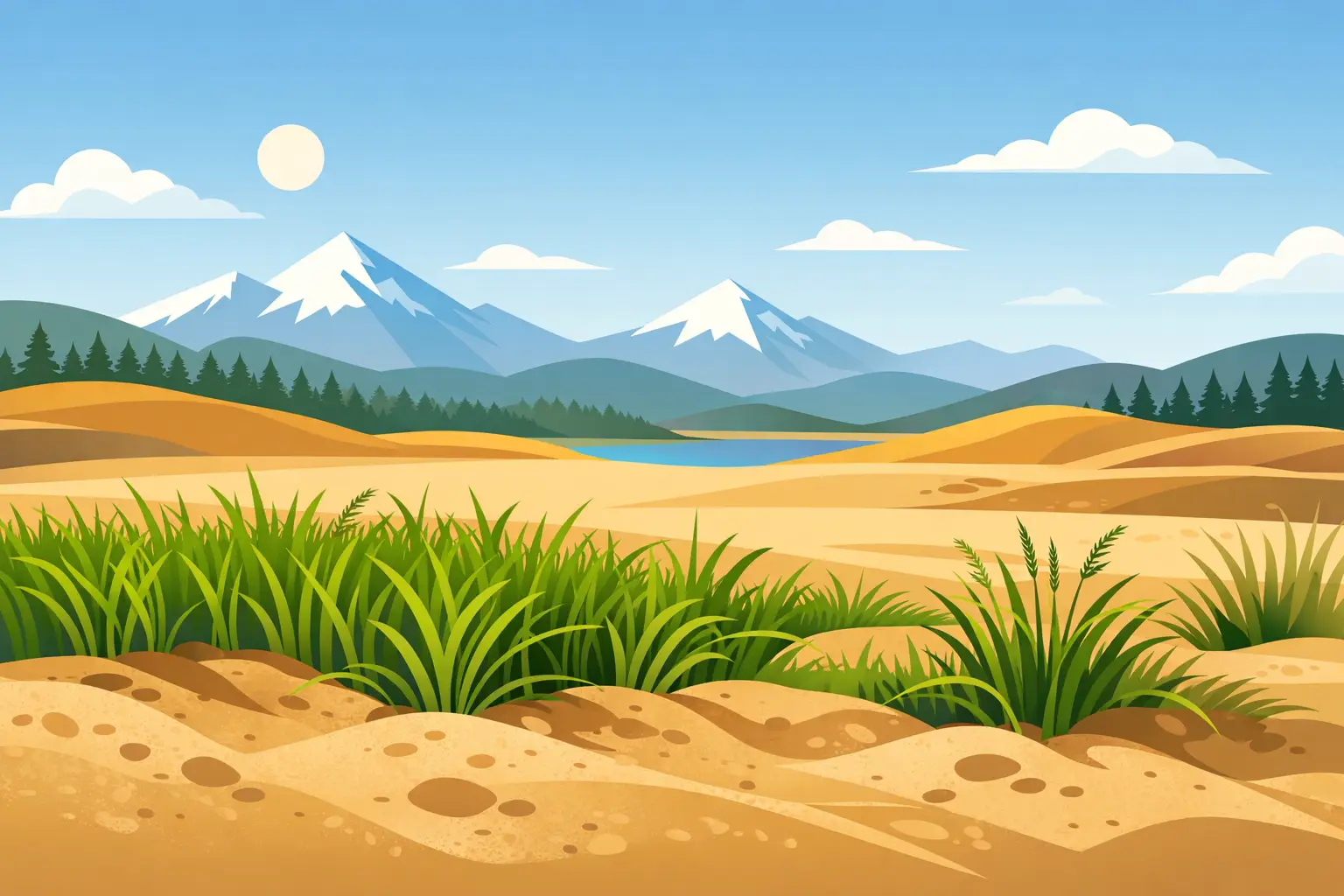
Sandy soil has a few advantages. It drains well, warms up quickly in spring, and is easier to work than heavy clay. The problem is that it does not hold water or nutrients very long. What you put into the soil tends to move through it fast, especially with frequent irrigation.
For lawns, that creates a familiar cycle. Grass greens up, then dries down quickly. Fertilizer works, then fades. Shallow-rooted turf struggles first, and any weak variety starts to thin out under traffic, heat, or inconsistent watering.
In Central Oregon, sandy soil also tends to come with low organic matter. That limits moisture retention and microbial activity, both of which help support stronger turf. So when people ask for the best grass for sandy soil, the real answer is a grass that can handle drought, establish dependable roots, and still perform in a short growing season.
The best grass for sandy soil starts with the right fit
For most Central Oregon lawns, cool-season grasses are still the right category. Warm-season options generally do not fit the climate well enough to deliver reliable full-season performance. Within cool-season turf, some grasses handle sandy, dry conditions much better than others.
Tall fescue is often the strongest option
If you want one grass that checks the most boxes for sandy soil, tall fescue is usually the leader. It develops deeper roots than many other cool-season grasses, which helps it reach moisture below the surface. That gives it better drought tolerance and more staying power during hot, dry stretches.
Tall fescue also tends to hold up well under traffic, making it a practical choice for family lawns, pet areas, and utility turf. Modern turf-type tall fescues look much better than older versions, with improved density and finer texture. It is not quite as soft or dense as Kentucky bluegrass, but for many Central Oregon properties, the trade-off is worth it.
The catch is that tall fescue will still need proper irrigation to establish, and it can look clumpy if used in lower-quality blends. Seed quality matters here.
Fine fescues can work in lower-input areas
Fine fescues deserve attention, especially for lawns that are not expected to handle heavy wear. These grasses are known for lower water demand and decent performance in lean soils. In the right setting, they can be a smart answer for sandy sites that do not get constant foot traffic.
They are often a good fit for naturalized edges, lower-maintenance spaces, or lawns where a softer, less aggressively irrigated look is acceptable. In full sun with heavy use, they may not be the top performer. But in a water-wise landscape plan, they can play an important role.
Kentucky bluegrass is attractive, but not always the easiest choice
Kentucky bluegrass is still popular because it creates a lush, dense lawn and has the ability to spread and repair itself. That self-repair is useful, especially on active lawns. But in sandy soil and High Desert conditions, bluegrass usually asks for more consistent water and fertility than tall fescue.
That does not mean it is a poor choice. It means it is a better fit when irrigation is reliable, the soil has been improved, and appearance is the top priority. On a site with hot exposure, limited water, or nutrient-poor sand, bluegrass often needs more support to stay at its best.
Blends are often better than single-species lawns
For many properties, the smartest approach is not a single grass type at all. A well-designed blend can balance durability, drought response, color, and seasonal recovery. That is especially true in Central Oregon, where one lawn may have hot afternoon sun, compacted traffic areas, and variable irrigation pressure all in the same yard.
A tall fescue-based blend, sometimes paired with a small percentage of Kentucky bluegrass, often gives homeowners the best mix of resilience and appearance. Landscapers and contractors usually appreciate that kind of blend too, because it performs more consistently across different site conditions.
Soil prep matters as much as the seed
Even the best seed cannot fix poor soil preparation. On sandy ground, the goal is not to make the soil heavy. It is to improve moisture retention and nutrient-holding capacity without destroying drainage.
That usually means incorporating organic matter before seeding or renovation. Compost is one of the most effective tools for this. It helps sandy soil hold water longer, supports beneficial biology, and creates a better environment for root development. In many cases, a lawn that struggles year after year is really dealing with soil performance, not just grass selection.
A soil test can also save time and money. Sandy soils are often short on nutrients and may need a more targeted fertility plan than a standard feed-and-forget program. If pH or nutrient levels are off, correcting those issues early gives new seed a much better chance.
Watering sandy soil takes a different approach
One of the biggest mistakes with sandy soil is watering too lightly and too often. That tends to keep roots near the surface, where they dry out fastest. It also wastes water, which is the last thing most Central Oregon homeowners want.
A better strategy is deeper, more controlled watering that encourages roots to chase moisture downward. Because sandy soil drains quickly, that may still mean more frequent irrigation than a heavier soil would require, but the goal is not constant dampness. The goal is root depth and consistency.
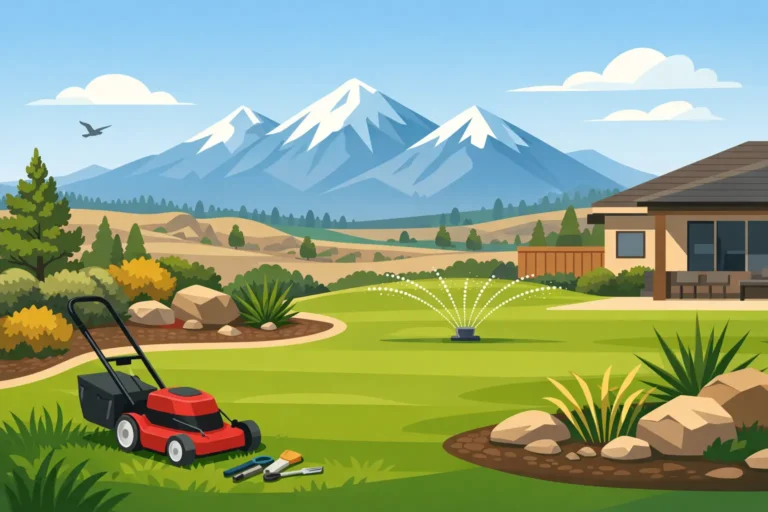
Coverage matters just as much as schedule. Dry spots in a sandy lawn can show up fast if sprinkler heads are not aligned correctly or if pressure is uneven. Before blaming the seed, it is worth checking whether irrigation is delivering water evenly across the entire area.
Timing can help or hurt your results
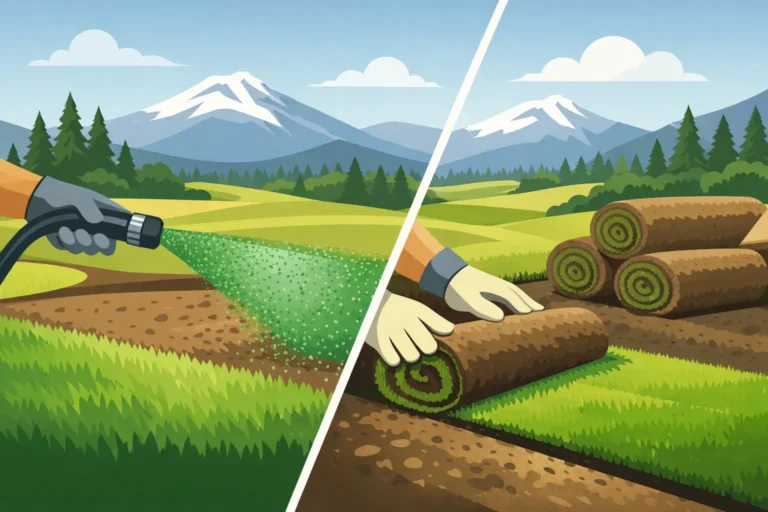
In Central Oregon, timing lawn seeding around weather matters. Early fall is often the best window for establishing cool-season grass. Soil is still warm enough for germination, but the most punishing summer heat is easing off. That gives new grass a better chance to root in before winter.
Spring can work too, especially if the lawn can be monitored closely. The challenge is that spring seedings may head into summer before roots are fully developed. On sandy soil, that can be a tough transition.
If you are renovating a worn-out lawn, proper timing paired with aeration, dethatching, or topdressing can make a big difference. For larger projects, using the right rental equipment often speeds up the work and improves seed-to-soil contact.
What homeowners and pros should look for
If you are comparing seed options, do not stop at the front label. Look for blends suited to drought tolerance, wear resistance, and regional performance. A grass that performs well in the Midwest or Pacific Northwest coast may not be your best answer in Bend.
That is where local guidance matters. Central Oregon Lawn Center works with homeowners and landscape professionals who need seed and soil solutions built for High Desert conditions, not generic national recommendations. The difference shows up in how the lawn performs after the first flush of green wears off.
When the answer is not just “more grass”
Sometimes a struggling sandy lawn is telling you something else. If an area gets intense reflected heat, poor irrigation coverage, or constant traffic, a different landscape approach may be more practical than forcing turf to perform there. That could mean reducing lawn footprint, improving soil more aggressively, or choosing a tougher seed blend for specific zones instead of treating the whole yard the same.
That kind of site-by-site thinking usually leads to better long-term results. It also supports the water-wise, environmentally responsible approach many Central Oregon property owners are already aiming for.
The best lawn on sandy soil is rarely the one with the fanciest label. It is the one built around the realities of your soil, your sun exposure, and your water use. Start with a grass that fits the region, improve the soil underneath it, and give it a watering plan that encourages roots to go deep. That is how sandy ground starts working for you instead of against you.