Lawn Renovation Equipment Rental Guide
A lawn in Bend can look tired for reasons that have nothing to do with effort. You can water carefully, mow at the right height, and still end up with thin turf, compacted soil, and bare spots by late summer. That is why lawn renovation equipment rental matters here. In Central Oregon, the right machine at the right stage can make the difference between a short-lived green-up and a lawn that actually fills in, roots deeper, and uses water more efficiently.
Why lawn renovation takes more than seed and fertilizer
High Desert lawns deal with a specific mix of stress. Sandy soils drain fast, low humidity pulls moisture out quickly, and hot summer days can punish shallow roots. Add foot traffic, pet wear, winter damage, or an irrigation issue, and a lawn can decline fast even when the owner is doing most things right.
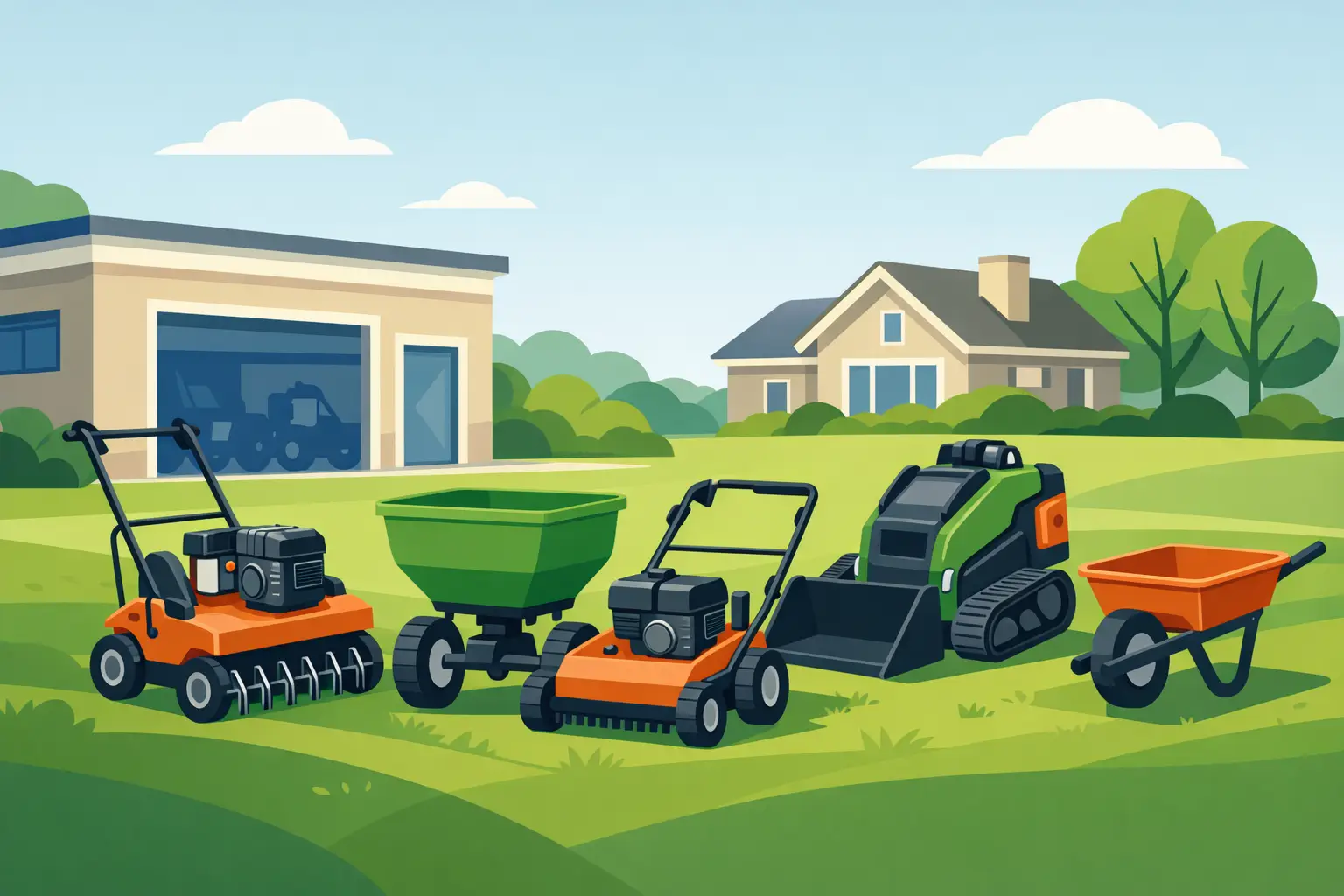
That is where renovation equipment comes in. Good tools do more than save labor. They create the conditions seed and soil amendments need in order to work. Aeration opens compacted ground. A power rake clears out excess thatch so water and nutrients can move down instead of sitting on the surface. A top dresser spreads compost or soil blends more evenly, which matters when you are trying to improve texture without smothering existing turf.
For many homeowners and even busy landscape crews, buying every machine does not make sense. Lawn renovation equipment rental gives you access to specialized tools for a weekend project, a seasonal reset, or a larger property upgrade without tying up money in equipment that may only be used a few times a year.
Which rental equipment actually helps your lawn
The right rental depends on what your lawn is telling you. A thin lawn is not always compacted. A compacted lawn does not always need aggressive dethatching. Using the wrong machine can waste time, and sometimes it can set a lawn back.
Aerators for compacted soil and shallow roots
Core aerators are one of the most useful tools for Central Oregon lawns. If the ground feels hard, water runs off instead of soaking in, or roots stay shallow, aeration is often the first step. Pulling soil cores improves air exchange and helps irrigation move deeper into the profile. That matters in a dry climate where deeper rooting usually means better drought tolerance.
Aeration also creates openings for overseeding. Seed dropped after aeration has a better chance of reaching soil contact instead of resting on top of thatch. For many lawns, this is the most cost-effective renovation move you can make.
Power rakes for thatch and surface cleanup
Power rakes are helpful when a lawn has a layer of built-up dead material that blocks water, seed, and fertilizer from getting where they need to go. They can also be useful before overseeding if the surface is matted and uneven.
That said, this is one of the tools where timing and restraint matter. A lawn that is already stressed by heat or drought can be damaged by overly aggressive power raking. In Central Oregon, it usually makes more sense to use this tool during an active growing window, when the lawn has a realistic chance to recover.
Top dressers for soil improvement and even coverage
Top dressing is one of the best ways to improve lawn performance over time, especially in sandy or uneven soil. A top dresser helps spread compost, screened soil, or other amendments in a consistent layer. That consistency matters more than people think. Piles and low spots create uneven growth, uneven irrigation response, and a rough finished appearance.
If you are renovating a lawn that has poor soil structure, this machine can help turn a basic overseeding project into a more complete reset. It is especially useful after aeration, when material can work down into the holes instead of sitting only on the surface.
Tillers, sod cutters, and trenchers for bigger resets
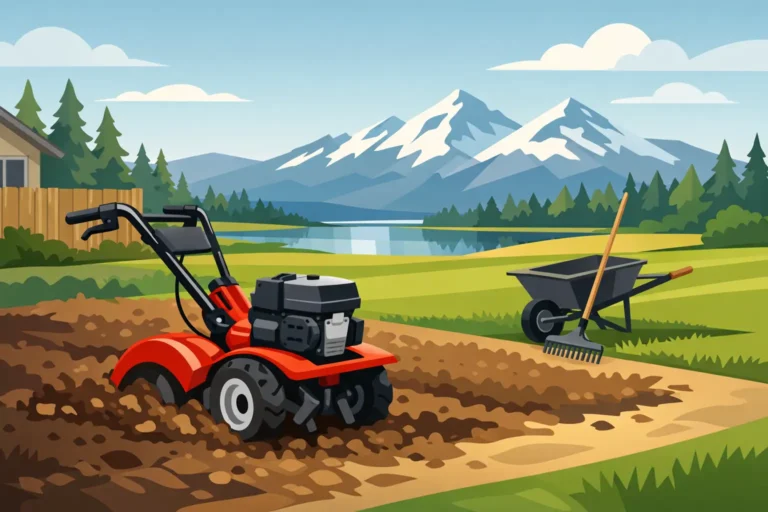
Sometimes renovation is too small a word. If a lawn is mostly weeds, badly graded, or beyond practical repair, a tiller or sod cutter may be the better choice. A sod cutter helps remove failed turf cleanly. A tiller can help incorporate amendments when you are rebuilding from the ground up, although tilling should be done carefully to avoid creating a soft, uneven surface later.
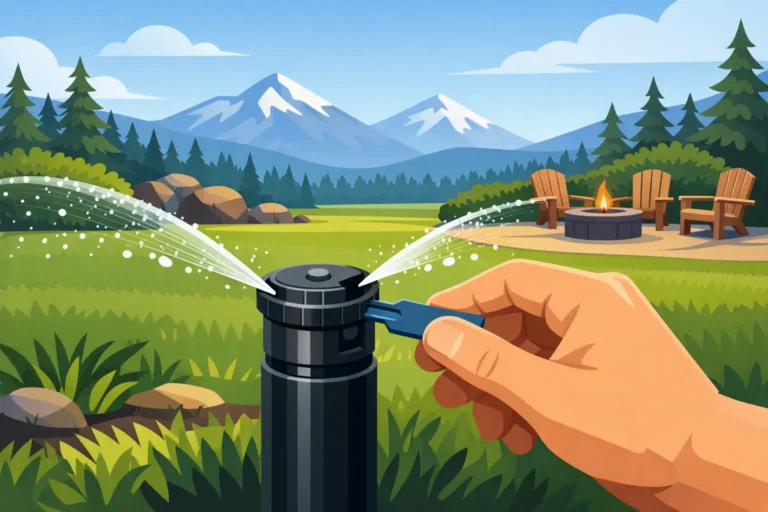
Trenchers are not always thought of as lawn renovation tools, but they become essential when the real issue is irrigation. If coverage is poor or a zone layout needs to be changed, renovating the grass without addressing water delivery is usually wasted effort.
When renting makes more sense than owning
For most homeowners, equipment ownership only pencils out if the machine will be used often and stored properly. Renovation tools are specialized, bulky, and maintenance-heavy. Rental makes more sense when the goal is to get a specific job done well and move on.
It also gives you flexibility. One season you may need an aerator. The next year your project may call for a top dresser and overseeding setup instead. Renting lets you match the tool to the problem instead of forcing every lawn issue into the one machine you already own.
For landscapers and property managers, rental can still be the smarter option when demand spikes in spring and fall. It helps cover busy periods, larger one-off jobs, or specialty work without expanding your fleet too quickly.
How to plan a lawn renovation project in Central Oregon
Good lawn renovation is mostly about sequencing. If you do the right work in the wrong order, results suffer.
Start by identifying the real problem. Is the lawn thin because of compaction, poor irrigation coverage, weak soil, shade, traffic, or a grass type that is not well suited to the site? Renovation equipment helps, but it cannot fix bad watering habits or the wrong seed choice.
Once the cause is clear, choose the least aggressive path that solves it. A lawn with mild thinning may only need aeration, overseeding, and a light top dressing. A lawn with severe thatch buildup may need power raking before seed goes down. A lawn with widespread failure may need sod removal, grading, soil prep, and re-establishment.
Timing matters here more than many people expect. In Central Oregon, renovation usually works best when temperatures support active growth and there is enough season left for roots to establish before winter or summer stress. Spring and early fall are often the sweet spots, but the exact window depends on weather, elevation, and the type of renovation you are doing.
Lawn renovation equipment rental and water-wise results
One reason renovation is worth doing at all is water efficiency. A compacted, patchy lawn usually wastes water. Irrigation runs off hard areas, weak roots dry out fast, and thin turf leaves soil exposed to heat.
The right equipment can help reverse that. Aeration improves infiltration. Top dressing can improve moisture retention and soil structure. Better seed-to-soil contact increases germination, which helps turf fill in faster and shade the ground. Even a power rake, when used appropriately, can improve how evenly water reaches the root zone.
That does not mean every renovation lowers water use immediately. Newly seeded or repaired areas often need careful, more frequent irrigation at first. The payoff comes later, when the lawn is denser, healthier, and able to handle deeper, less frequent watering.
What to ask before you rent
Before you reserve a machine, think past the daily rate. Ask whether the equipment is the right size for your lawn, whether your vehicle can transport it safely, and whether your project calls for one pass or several. A weekend aerator rental sounds simple until you realize the lawn needs irrigation adjustments and top dressing too.
It also helps to ask what surface conditions the machine handles best. Some equipment performs differently in dry, sandy soils than it does in heavier ground. If the lawn has slopes, tight gates, or established irrigation heads near the surface, that should shape your choice.
This is where local guidance matters. A generic recommendation from outside the region may not account for Central Oregon’s soil behavior, short shoulder seasons, or the reality of trying to renovate during water restrictions. Working with a local supplier that understands those conditions can save money, prevent mistakes, and improve results.
At Central Oregon Lawn Center, that local piece is a major advantage. Equipment rental is paired with practical advice on seed, fertilizer, soil amendments, and timing, so the machine is part of a plan rather than a guess.
The best results come from combining tools with strategy
A rental machine can speed up the work, but it is not magic. The best lawn renovations happen when equipment, seed selection, soil improvement, and irrigation practices all support each other. That is especially true in the High Desert, where lawns do not get much margin for error.
If your turf is struggling, start by being honest about the condition of the lawn and the scope of the fix. Sometimes a simple aeration and overseed is enough. Sometimes the smarter move is a fuller reset with better soil prep and more efficient watering in mind. Either way, the right equipment gives you a cleaner start and a better shot at lasting results.
A healthier lawn in Central Oregon usually begins with one practical question: what does this site need to recover well, not just look better for two weeks?