
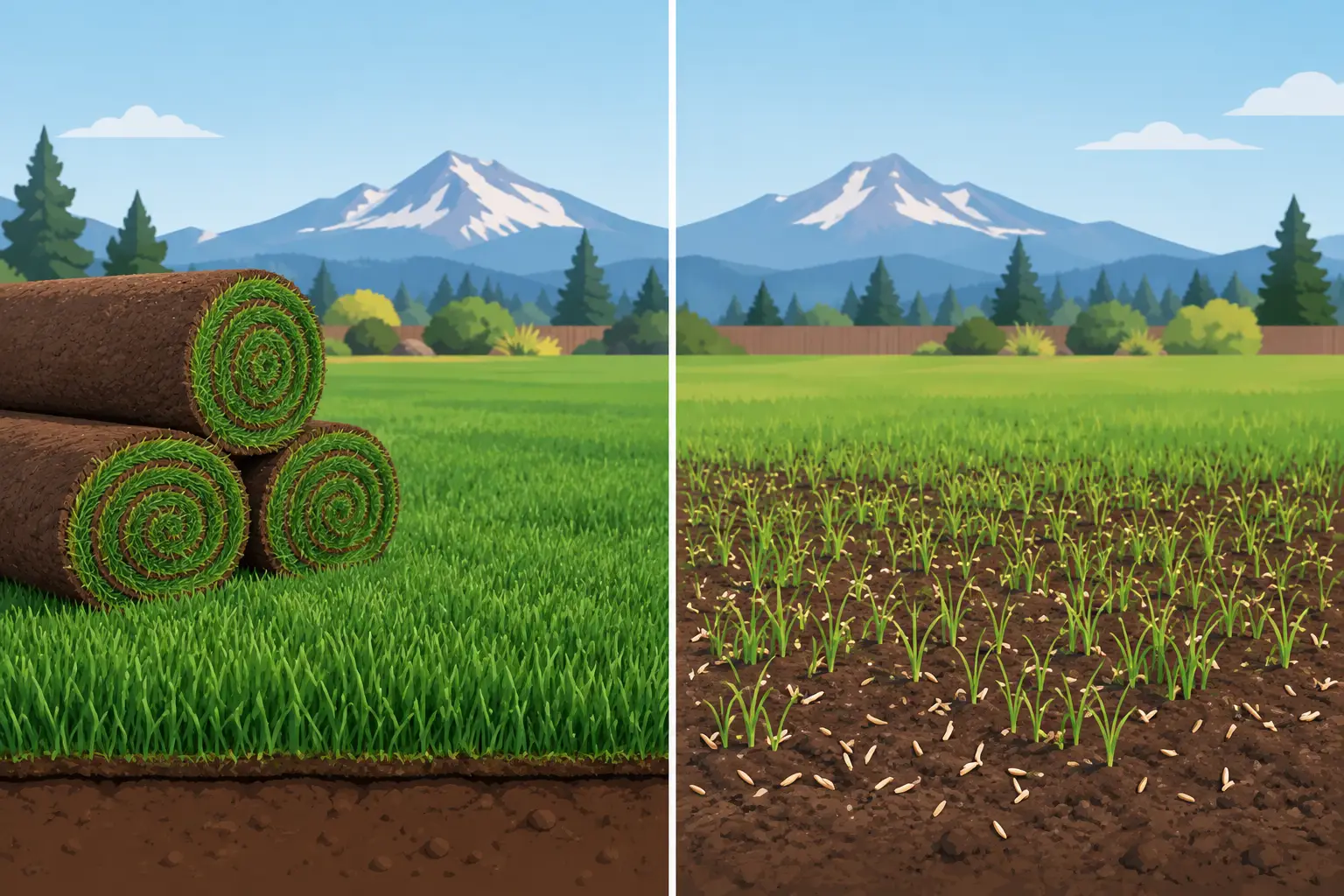
Sod Versus Seeded Lawns in Central Oregon
A new lawn can look like the easy part of a landscape project until Central Oregon wind, sandy soil, summer heat, and irrigation limits enter the picture. When weighing sod versus seeded lawns, the best choice is rarely just about how quickly you want green grass. It is about how well that grass can establish roots, use water wisely, and hold up through Bend’s short growing season.
Sod offers an immediate finished appearance. Seed gives you more control over the turf variety and usually costs less at the start. Both can produce a healthy, durable lawn here, but both require thoughtful site preparation and consistent care during establishment.
Sod versus seeded lawns: the Central Oregon difference
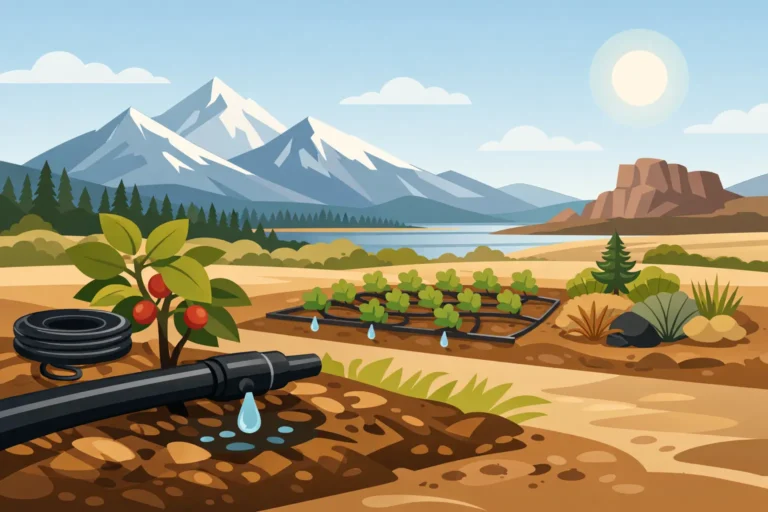
In a mild, humid climate, a lawn can sometimes overcome mediocre soil preparation. In the High Desert, it usually cannot. Native soils around Bend and surrounding communities often contain sand, rock, low organic matter, and limited nutrient-holding capacity. Water can move through them quickly, leaving newly planted turf dry before its roots are ready to chase moisture deeper.
That changes the sod versus seed decision. Fresh sod arrives with mature blades and an existing root mat, but those roots still need to knit into the soil below. Seed begins more slowly, yet it germinates directly in the prepared soil and can develop a more naturally integrated root system over time.
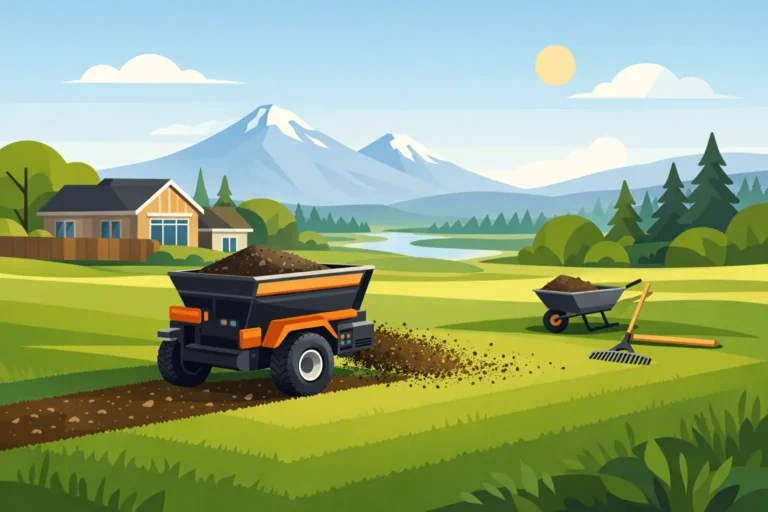
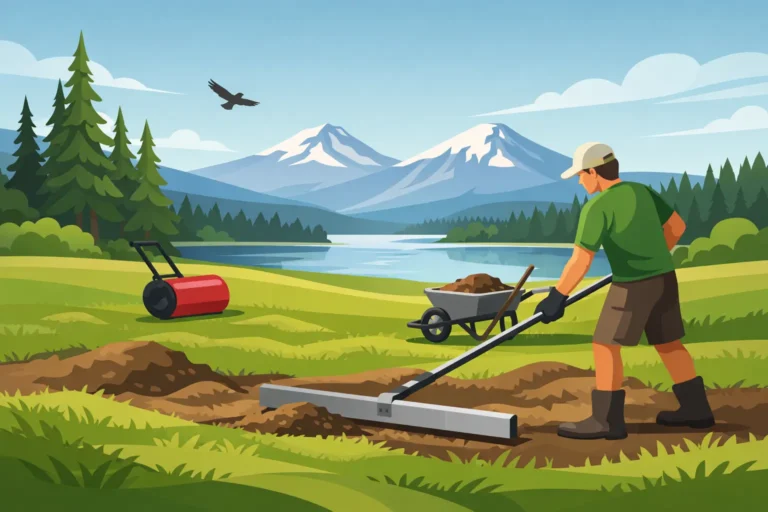
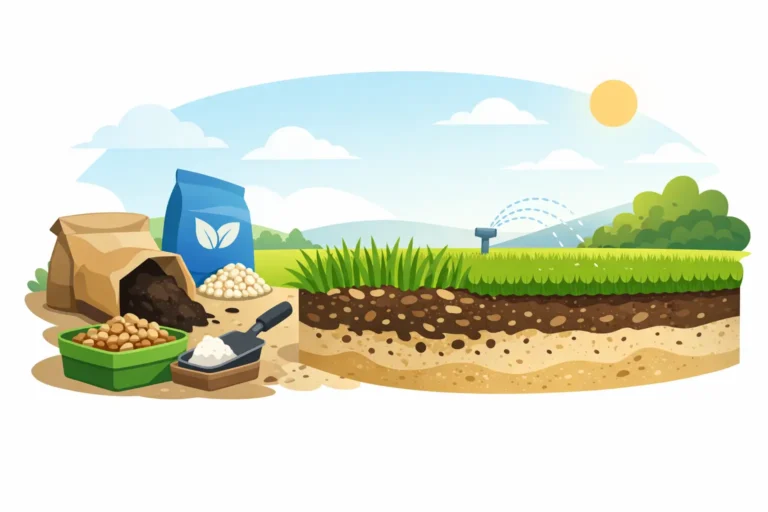
Neither option eliminates the need to improve the root zone. Before installing sod or spreading seed, loosen compacted ground, remove construction debris, and work in appropriate compost or soil amendments. A level, well-prepared surface also prevents puddling, dry ridges, and bumpy mowing later.
When sod is the better fit
Sod is often the practical choice when appearance matters immediately. It works well for a newly completed home, a front yard that needs curb appeal, a rental property, or a landscape project with a firm deadline. It is also useful on modest slopes, where exposed seed may wash or blow away before it germinates.
The biggest advantage is instant coverage. A properly installed sod lawn immediately reduces bare soil, dust, and wind erosion. That matters in Central Oregon, where a dry breeze can pull moisture from unprotected ground quickly.
Still, sod is not a shortcut around watering. For the first couple of weeks, the goal is to keep both the sod and the soil beneath it consistently moist enough for roots to connect. If the soil below the rolls is dry, or if irrigation reaches only the top layer, the turf can look green while the root system struggles.
Check sod daily during establishment. Lift a corner after several days to see whether new white roots are growing into the soil. As rooting improves, gradually shift from frequent light watering to deeper, less frequent irrigation. That transition encourages roots to move down rather than staying near the surface.
Sod also carries higher up-front costs. Beyond the price of the material, there may be delivery, installation labor, and site preparation. The quality and grass mix of available sod can also limit your choices. For a High Desert lawn, the grass variety matters as much as the fact that it arrived in rolls.
Sod installation details that protect your investment
Install sod promptly after delivery, especially during warm, dry weather. Lay each piece tightly against the next without stretching it, and stagger seams like brickwork. Roll the lawn lightly after installation to improve soil contact, then water thoroughly.
Avoid laying sod over hard, unamended native soil and hoping irrigation will solve the problem. Poor soil structure below the sod can lead to shallow roots, uneven drying, and a lawn that declines once its initial nursery-grown reserves are gone.
When a seeded lawn makes more sense
Seeding is usually the better value for larger areas, full lawn renovations, and homeowners who want a custom turf blend selected for local conditions. It costs less per square foot than sod and gives you more say in the balance of drought tolerance, traffic durability, texture, and color.
That flexibility is especially valuable in Central Oregon. A generic seed mix designed for wetter regions may demand more water or perform poorly through summer stress. A locally appropriate blend can better match the realities of low humidity, intense sun, cold winters, and seasonal water restrictions.
Seeded lawns do require patience. Depending on the variety and weather, germination may begin in days or take longer. The area will not look finished right away, and birds, wind, irrigation runoff, and uneven seeding can create thin spots if the job is rushed.
For most cool-season lawn grasses, late summer and early fall are often excellent seeding windows in Central Oregon. Warm soil supports germination while cooler air reduces stress on young plants. Spring seeding can also work, but young grass may face weeds and summer heat before it has fully matured.
Good seed establishment starts below the surface
A seedbed should be smooth, firm, and loose enough at the surface for seed-to-soil contact. Spread seed evenly, then lightly rake or roll it in. Grass seed should not be buried deeply. Most types need shallow coverage and steady moisture to germinate.
Frequent, light irrigation is appropriate at first because the top portion of the soil must stay damp. Once seedlings emerge and begin growing, gradually water less often but more deeply. This is the stage where many lawns fail: the surface is kept wet for too long, and roots never receive a reason to grow down.
Newly seeded turf should be mowed when it reaches a suitable height and the soil is firm enough to support the mower without leaving ruts. Use a sharp blade, avoid removing more than one-third of the grass height, and keep foot traffic light until the lawn fills in.
Water use: the real comparison is establishment, not just the first week
Sod is often described as water-hungry, while seed is described as water-wise. The truth is more specific. Both sod and seed need close attention during establishment, but they need water in different patterns.
Sod needs enough water to moisten the soil under the rolls and support root knitting. Seed needs the upper soil surface kept consistently moist until germination. In hot, windy conditions, that may mean multiple brief irrigation cycles per day for seed. A timer is useful, but observation is better. Check the soil rather than assuming a schedule is reaching every area evenly.
After establishment, water use depends more on grass selection, soil condition, mowing height, irrigation efficiency, and expectations for summer color than on whether the lawn began as sod or seed. A deep-rooted lawn with healthy soil can handle dry periods far better than turf growing in compacted, nutrient-poor ground.
Consider irrigation coverage before you plant. Fix clogged nozzles, adjust overspray, and correct dry zones first. A lawn cannot establish uniformly when one section receives twice as much water as another.
Cost, labor, and timing at a glance
Sod costs more initially but saves time and delivers an immediate visual result. It can be installed through much of the growing season when water is available and conditions are not excessively hot or frozen. The labor is physical and time-sensitive because rolls must be installed and watered quickly.
Seed requires a smaller material budget, especially across large areas, but it demands more patience and careful follow-through. It is most successful when scheduled around favorable weather rather than just the calendar of a landscaping project. If you need a lawn for a graduation party next month, sod may be the realistic choice. If you are renovating a backyard for long-term performance, seed may offer the better return.
For either approach, factor in site preparation, irrigation repairs, soil amendments, starter fertility where appropriate, and follow-up mowing. Those pieces often determine whether a new lawn thrives or becomes an expensive patchwork project.
A practical choice for your property
Choose sod when you need fast coverage, have a manageable area, and can commit to diligent watering while it roots. Choose seed when budget, custom grass selection, and long-term renovation are the priorities. If your lawn has widespread compaction, thatch, uneven grades, or poor soil, address those issues before choosing either one.
For many Central Oregon properties, the best result comes from treating the lawn as a system rather than a surface. Improve the soil, select turf that fits the site, and set up irrigation to encourage deep roots. Central Oregon Lawn Center can help match a locally suitable seed blend, amendments, and rental equipment to the condition of your yard. A few minutes of site-specific planning before planting can save a season of water, work, and frustration.